
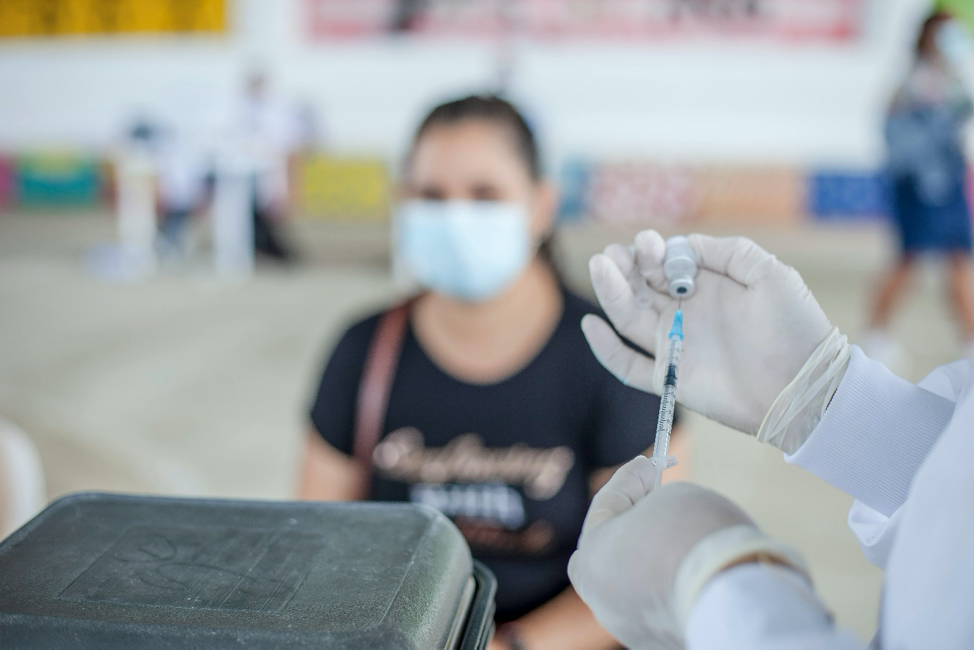
Our world isn’t getting any simpler, and neither is the way we take care of people. From rising disease rates to healthcare gaps, there’s a lot that needs fixing. But here’s the upside: smart planning and simple steps can go a long way in building stronger systems that actually work for everyone.
This article walks you through practical tips anyone—from community leaders to curious readers—can get behind. No fluff, no jargon. Just real strategies that can make a real difference. Ready? Let’s get into it.
- Focus on Root Causes, Not Just Symptoms
Treating illness is important, but preventing it in the first place is even better. That means looking at what causes people to get sick—like poor housing, lack of clean water, unsafe neighborhoods, and low access to food or jobs. These things, often called social factors, play a major role in how people live and feel. Strong systems don’t just respond to sickness. They try to fix what’s behind it. That could mean improving school lunches, cleaning up air quality, or offering better childcare support. When we tackle the root causes, long-term health becomes much more achievable.
- Invest in Skill Development
Having the right people with the right skills is a game changer. Whether it’s training new professionals or helping current ones grow, education plays a huge role in improving care, building smart policies, and supporting communities in need. One way to play your role in developing stronger systems and healthier communities is by exploring MPH programs that are fully online and are designed for working adults who want to lead in areas like epidemiology, health policy, and community education. With expert faculty and a flexible format, it helps prepare future leaders to solve real-world challenges and strengthen public systems.
- Strengthen Local Partnerships
You can’t build a strong system without local support. That’s why partnerships between clinics, schools, local governments, and nonprofit groups are so important. These teams know what their communities need and are better equipped to deliver helpful services where they’re needed most. Working together means sharing resources, solving problems faster, and reaching more people. Local teams also build trust, which is key when encouraging people to take part in care programs, screenings, or health education. Collaboration isn’t just nice—it’s necessary.
- Use Data to Drive Decisions
Facts matter. Good systems use data to figure out what’s working and what’s not. For example, tracking trends in diseases, hospital visits, or vaccine rates can help public leaders respond better and plan smarter. Data also helps avoid wasting time and money. When decision-makers see the real numbers, they can direct support to the people who need it most. The right information can guide better actions, from simple surveys to large health databases.
- Promote Health Equity at Every Level
Not everyone has the same chance to stay well. Some communities face more barriers than others—like language gaps, limited access to care, or unfair treatment in medical settings. These issues can lead to worse outcomes and shorter life spans. Better systems look at who is being left out and work to include them. That means making care more affordable, offering translation services, and respecting cultural differences. Fair treatment shouldn’t be optional—it should be the standard across every level of care.
- Build Trust Through Communication
Clear, honest communication builds trust—and trust keeps people engaged. Whether it’s a public announcement about vaccines or a flyer explaining local health services, the way information is shared makes a big difference. If people don’t trust the message, they won’t follow it. Health systems need to speak the public’s language—literally and culturally. That includes smartly using local leaders, community events, and social media. People are more likely to listen, act, and stay connected when messages are simple, reliable, and consistent.
- Invest in Workforce Development
Strong systems depend on people, not just policies. Nurses, public health workers, case managers, and educators are all essential to reaching communities and delivering care. But there’s a growing need to train more workers and give them the tools they need to succeed. This includes offering professional development, better pay, and support for those working in tough environments. Keeping a skilled, motivated workforce helps people get the help they need when needed. When the workforce thrives, the whole system performs better.
- Leverage Technology for Better Access
Technology isn’t just about gadgets—it’s about access. Telehealth appointments, mobile health units, and online education tools make connecting with care easier, especially in rural or underserved areas. Digital systems can also store health records, send reminders, and allow follow-ups without extra travel, which can make all the difference for people with tight schedules or limited transportation. Smart tech helps stretch resources further and keeps people connected to care without extra barriers.
- Plan for the Long-Term, Not Just the Crisis
Many systems focus on short-term fixes, especially during emergencies. But long-lasting change requires long-term thinking. That means preparing for things like climate change, chronic disease, and aging populations before they become full-blown crises. Building strong foundations—like emergency response plans, stable funding, and community partnerships—can help systems handle whatever comes next. Planning ahead also builds resilience so health support continues even when times get tough.
- Support Evidence-Based Policy Making
Rules and laws shape what’s possible in healthcare. Policies based on good research and real-world outcomes are more likely to make a difference. This is why evidence-based decisions matter. Whether it’s setting food safety standards or funding health education, smart policies create a ripple effect. They support programs that work, cut out waste, and protect the public. Leaders and lawmakers must rely on facts—not opinions—to build systems that stand the test of time.
Creating stronger systems isn’t about doing one big thing—it’s about doing many small things the right way. From training future leaders to planning smarter, each step brings us closer to a future where everyone has a fair shot at living well. If we focus on equity, communication, and real data, we’re not just reacting to problems—we’re getting ahead of them. And with the right people and strategies in place, a better future isn’t just possible—it’s within reach.

10 Tips to Build Stronger Systems for a Healthier Future added by rctadmin on
View all posts by rctadmin →
You must be logged in to post a comment Login