
If you’re like billions of people around the world, you spend a significant amount of time on the internet each day. In fact, statistics show that many of us will spend up to a third of our lives looking at one screen or the other. Because the Internet is tied to so many aspects of our day-to-day existence, it’s important that we practice online safety.
The first step towards online safety is, naturally, choosing safe websites to visit. But how do you know that you are choosing a safe website? Here are a few things to look out for:
Secure Login Options
Many of us are not just visiting websites but have active accounts with them. Everything from social media to food delivery to banking requires us to open up dedicated accounts where our sensitive information is typically linked. One sure sign of a safe website is having login options that are as secure as possible. First, this means having two-factor authentication set up when creating accounts to make sure no one else gains access to them.
Some platforms even go a step further by offering one-click registration and sign-in options. These are typically very secure and have found a lot of use within platforms like online casinos. As gambling expert Sofia Rebuck explains, having a one click sign in option is no longer just a fun part of many online casinos but is fast becoming a requirement. Ideally, you want to prioritize websites that have this option, as it will make your experience safer.
Encryption And Other Measures
Generally speaking, internet users are advised to only use platforms that have full website encryption. Typically, you can check if a website has set up encryption with the padlock symbol near its URL. Many search engines will also warn you before clicking unencrypted links, and this is something to look out for. Encryption means that a website is less likely to be hacked or otherwise accessed by unauthorized parties.
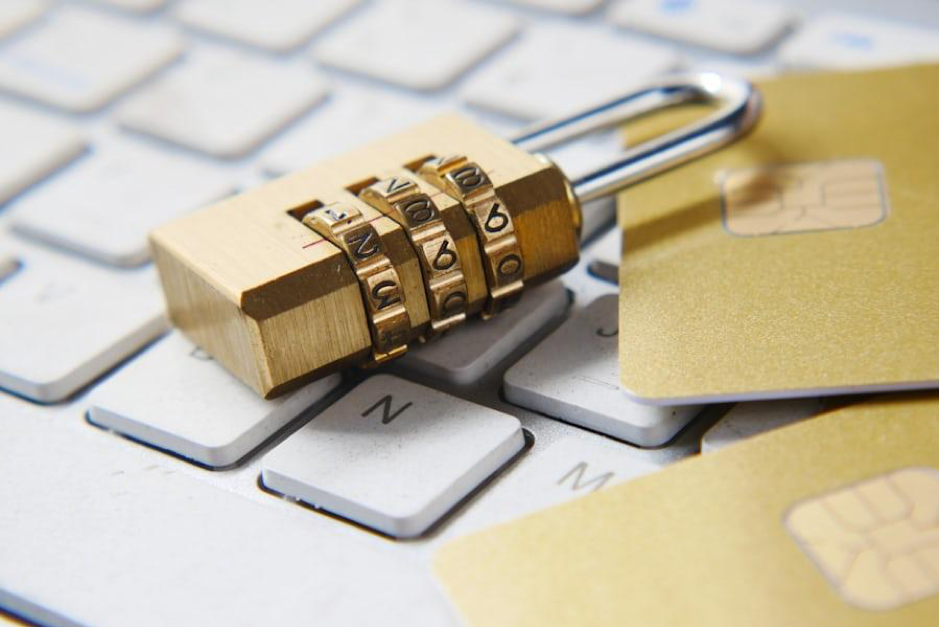
Just like with secure login options, it is fast becoming a requirement for websites to operate as opposed to an added-on perk. Another thing to look out for is various security authentication badges on the website. By scrolling to the bottom of the page, you’re likely to see what type of encryption they use, as well as what other security certifications they have. Generally speaking, the more of these a website can boast of, the more secure it is.
Transparency
Outside of things like an SSL certificate and secure login, you can also tell if you are choosing a website based on how transparent it is regarding its back-end. A reputable website will have the contact information of the owners, its privacy policy, its security page, and so on. This is done to assure users that all the T’s have been crossed and the Is dotted. If you’re unsure about any website, scroll to the bottom and see if it has this information. If it does, you are likely dealing with a reputable and safe website. If it doesn’t, you should be cautious, as it could be a sign of the website being dodgy.
Content Quality
While this is not a hard and fast rule, you are more likely to see low-quality content on a dodgy or unsafe website. This means endless spelling errors, wonky design, low-quality images, and so on. This is because unsafe or scammy websites are typically thrown together hurriedly without much care for their design. Sometimes they’re done to trick users into handing over payment information and the like.
Consider the way most spam emails look to scam people are often riddled with spelling errors and inconsistencies. By simply paying attention to the quality of the content, you’re more likely to spot scammy websites. Another sign of good quality content would be backlinks from reputable sites. If other reputable sites are linking to the web page question, that is a stamp of approval that even search engines tend to recognize. So, be discerning as you consume content on any platform, as this should give you an idea of how safe it is.
Checking Registration
Another way to tell if a website is safe and reputable would be to check if it is registered with a reputable platform. Sites like WordPress, GoDaddy, and the like are popular options for registering a domain name, and they are much less likely to have helped register a scammy or unsafe website. Because the platforms linked to these domain registration pages are held to a high standard, simply checking which they are registered with helps to sort the wheat from the chaff. This can be done with a quick Google search or by searching on the domain registration platform directly. If a platform is not registered with a reputable domain platform or you cannot find it, it’s best to be cautious.
Browser Warnings
Mainstream browsers like Safari and Google Chrome are constantly working to stop users from clicking dodgy links to unsafe websites, and sometimes, they will warn you. It’s not unheard of for users to get a pop-up warning from them telling them that the website is suspicious and advising them not to click. As a rule, you should take these warnings seriously and better investigate any website that triggers it before you log in or, even worse, give any of your sensitive details to it.
Conclusion
The internet is full of various websites, both reputable and unreliable. In this article, we’ve touched on various ways you can confirm whether the site you are using is safe or not. By making this a part of your daily internet use, you’re less likely to fall prey to dodgy websites looking to steal your information, money, or both. From built-in tools that warn users of dodgy sites to confirmation you can seek out yourself, these should help you on your journey.

7 Ways To Know You Are Choosing A Safe Website added by rctadmin on
View all posts by rctadmin →
You must be logged in to post a comment Login