
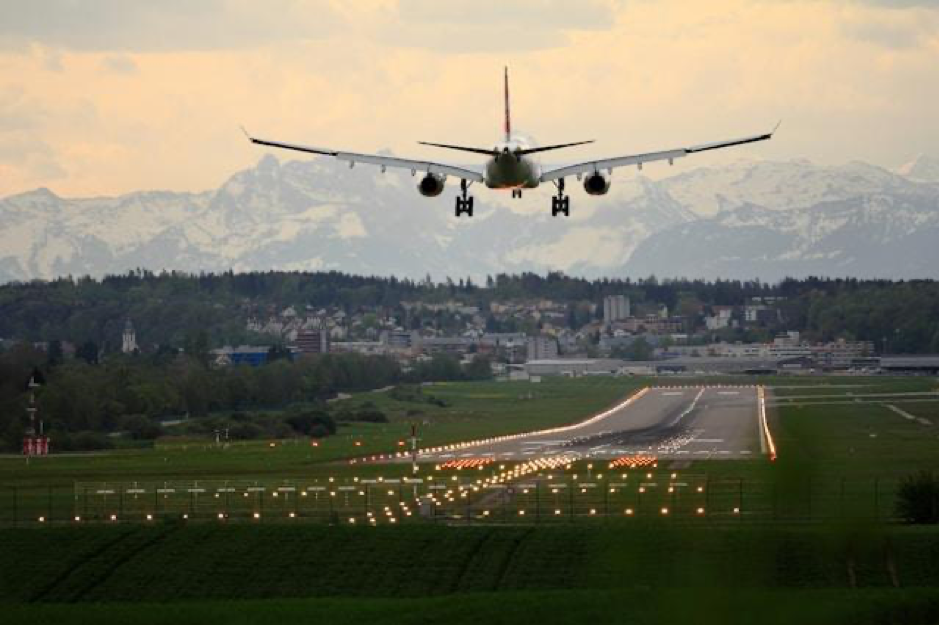
Private aviation is meeting new demands in the United States, especially among high-net-worth individuals, corporate executives, and businesses, according to the General Aviation Manufacturers Association (GAMA). The number of private jets in North America is projected to reach over 22,000 by 2025. Amid these expectations, one name that constantly appears among the busiest private aviation hubs is Boston Logan International Airport (BOS). Primarily famous for being a commercial gateway to New England, Boston Logan’s position as one of the most active private jet airports is driven by its prime location, robust business ecosystem, and facilities.
Logan As A Strategic Location in The Northeast Corridor
Boston Logan’s strategic geography is one of its greatest strengths, as it serves as the primary aviation gateway for the densely populated and booming New England economy. New England is a region in the Northeastern United States consisting of 6 states: Connecticut, Maine, Massachusetts, New Hampshire, Rhode Island, and Vermont. Most frequent travelers who live here consider BOS to be the best airport from which to fly. It is 5-10 minutes from the city centre, with minimal traffic and close to most regional urban airports.
Its location places it within easy reach of major East Coast cities like New York, Washington, D.C., and Philadelphia, while providing direct access to popular summer destinations such as Cape Cod, Nantucket, and Martha’s Vineyard. Moreover, one characteristic of individuals who love to fly private is convenience, and BOS’s strategic location makes it much more appealing to private jet setters. Its transatlantic connectivity makes it an ideal launch point for executives and leisure travelers heading to Europe and Canada.
Strong Business and Leisure Demand
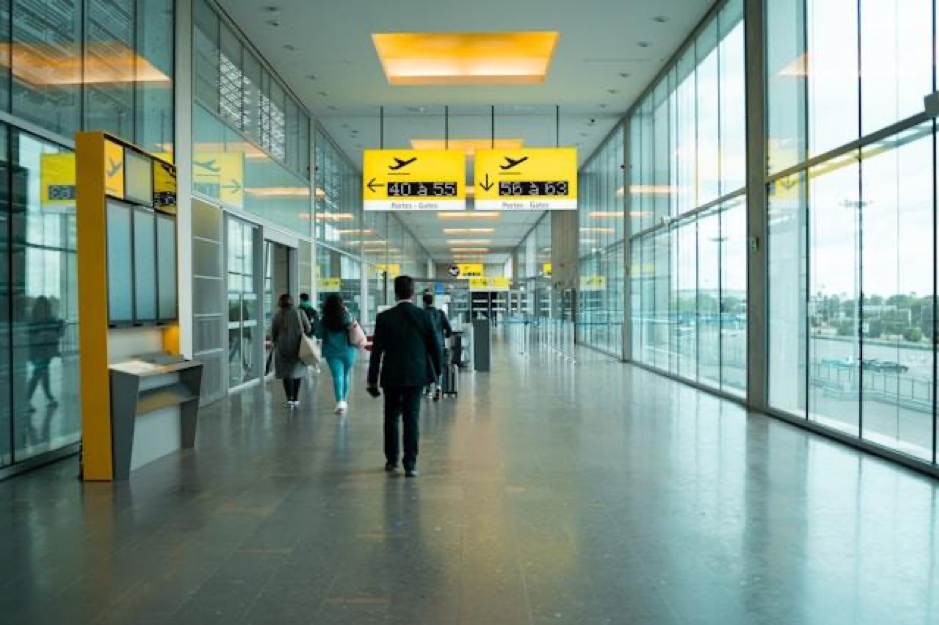
Compared to many other airports around the US, Logan stands out for its focus on business-oriented travel, which is attributed mainly to the region’s powerhouse industries. The city’s focus on biotechnology, finance, and healthcare has attracted a steady stream of CEOs, investors, and innovators. The majority of the private jets in the airport connect these professionals to major corporate hubs like Silicon Valley, Chicago, and London.
We also found that Boston is home to several Fortune 500 companies and global firms such as General Electric, Liberty Mutual, and State Street Corporation, all of which contribute to a continuous flow of the region’s corporate air traffic. The airport’s premium lounges and private aviation terminals are a major selling point, allowing these executives to work on the go, reinforcing Boston Logan’s reputation as a hub for premium business travel.
Moving on to the leisure demand, Logan has been a gateway to some of the Northeast’s most exclusive destinations. During the summer, there is a significant spike in activities, with travelers booking flights to New England’s islands and coastal areas.
Access to The Infrastructure Built for Private Aviation
North America’s Fixed-base Operators (FBO) market advancement is another major plus, driving better demand in Boston Logan. A report from Verified Market Research shows that the FBO market size was valued at $10 billion in 2024 and is projected to reach $13.34 billion by 2032. These FBO operators contribute significantly to travelers’ experiences by offering essential aviation support, like fueling, hangar maintenance, and other vital amenities. They also provide facilities like private jet charter services, flight training, and VIP lounges. Boston Logan is home to some of the region’s most advanced FBOs, and it’s a significant advantage that helps them deliver a completely different experience from traditional airport travel, like luxury lounges, private customs clearance, concierge services, and more.
Proximity to Academic Centres

Logan is also very close to several major academic centres. Harvard University, located in Cambridge, is approximately 6-9 miles (20-40 minutes) from the airport. Massachusetts Institute of Technology (MIT) is also in Cambridge, roughly 5 miles (20 minutes) away. Other noteworthy mentions are Boston University (BU), Northeastern University, and Tufts. Each of these institutions is approximately 20 minutes away from the airport. These establishments contribute significantly to academic conferences, research partnerships, and global collaborations, which means frequent private jet travel by academics, donors, and international guests.
Accessibility and Connectivity
Another major factor we cannot help but mention is Boston Logan’s unmatched accessibility. Located just three miles from downtown Boston, it offers the convenience only a few major airports can match. Travelers can be out of their office and in the air within 30 minutes, a huge plus for business executives on tight schedules. Also, the airport’s integration with major highways and public transport networks makes it an easy choice for travelers from surrounding states. These features not only help save time but make the airport one of the most flexible and travel-friendly in the Northeast.
Fueling New England’s Aviation Economy
While several other airports in New England, Logan remains the most significant and busiest in the region. Aviation is an integral aspect of every growing economy, and BOS significantly contributes to this sector. It has become the go-to gateway for the region’s high-value air traffic. Such positioning benefits not only the passengers or industry but also the system that supports hundreds of local jobs, from maintenance crews and ground staff to hospitality and logistic services.

What Fuels Boston Logan’s Private Jet Popularity in the US? added by rctadmin on
View all posts by rctadmin →
You must be logged in to post a comment Login