
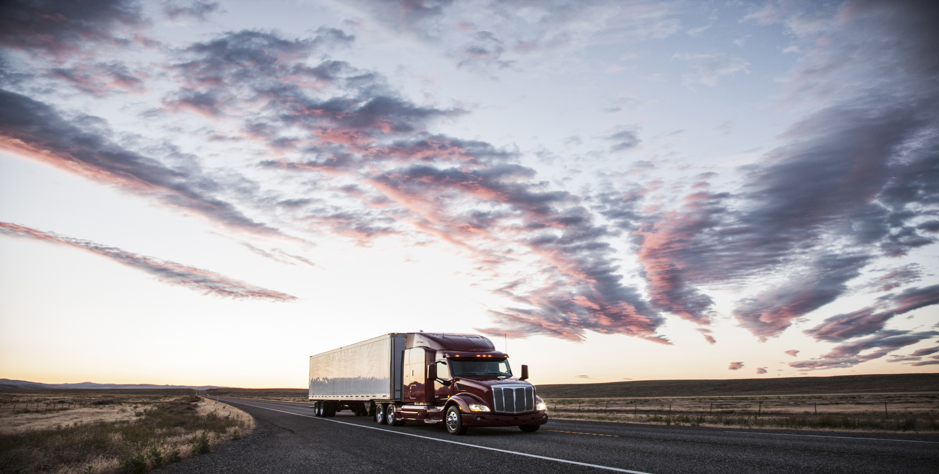
US fleets continue to face rising fuel prices, unpredictable weather, tighter delivery windows, and dense regional traffic — especially in Northeast corridors like Rockland, Westchester, and Northern New Jersey.
To stay competitive, operators are leaning on connected tools that strengthen visibility and streamline decision-making. Many now use integrated platforms like Radius Telematics to bring tracking, fuel insights, and maintenance planning into one place without adding operational complexity.
Why Visibility Matters for Everyday Fleet Operations
Limited visibility causes small inefficiencies that quickly become costly: inefficient routing, excess idling, preventable breakdowns, and inconsistent driving patterns. These issues hit local delivery fleets, contractors, municipal vehicles, and regional trucking operations hardest, where margins depend on predictable performance. Strong oversight also reinforces safety, particularly when clearer movement data helps protect drivers and equipment, as reflected in discussions around vehicle tracking practices.
Telematics: The Technology Behind Smarter, Safer Fleets
Telematics combines GPS tracking, diagnostics, fuel monitoring, and real-time driving-behavior insights. Fleet managers gain up-to-date information on vehicle health and routing choices — a major advantage in busy NY/NJ environments where winter weather, narrow roads, and stop-and-go traffic create constant uncertainty. By reducing guesswork, telematics supports safer habits, fewer delays, and more reliable planning.
How Better Data Helps Fleets Cut Costs
Real-time data helps fleets reduce fuel waste, tighten routing, minimize idling, and avoid unnecessary maintenance. Even minor improvements can deliver meaningful savings for high-mileage vehicles. The impact of idling is especially important when considering the long-term fuel burn associated with idle-reduction efforts. Telematics highlights these patterns early, allowing businesses to correct inefficiencies before they escalate.
Plus, with visibility into how quickly drivers speed up, slow down, and navigate the roads, managers can offer their teams more training and guidance to develop better driving habits. This makes daily operations more efficient and minimizes exposure to risk — while also making it safer for neighboring towns and cities that your fleet operates on local streets and roads.
Why Integrated Platforms Matter More Than Standalone Tools
Reliance on spreadsheets and isolated software tools remains a matter of course for most fleets, creating blindspots and inefficiencies. Synchronised dashboards pool fuel expenses, service records, dispatching, and routing apps, keeping these systems up-to-date and accurate. As the industry transitions to cloud-based networks, there will likewise be demand for more ease of use and transparency throughout the next generation of digital telematics.
What This Means for Local Fleets in the US
Local-scale operations of relatively small fleets enjoy the greatest benefits, including smooth operations, breakdown avoidance, speedier job completion, and more reliable recordkeeping, for companies procuring building services and transport networks on behalf of customers in the Hudson Valley and nearby areas.
In Conclusion: Telematics Are A Must for Any Fleet Going Forward
The technology behind telematics has moved out from the fringes. It’s the new basis for cost savings, safety, and dependability. In the US, companies investing in network-connected vehicles today are setting themselves up for the sort of effectiveness, efficiency, and stability that produce real results in competition and local transport.

How Telematics Is Helping US Fleets Cut Costs and Improve Efficiency added by rctadmin on
View all posts by rctadmin →
You must be logged in to post a comment Login