
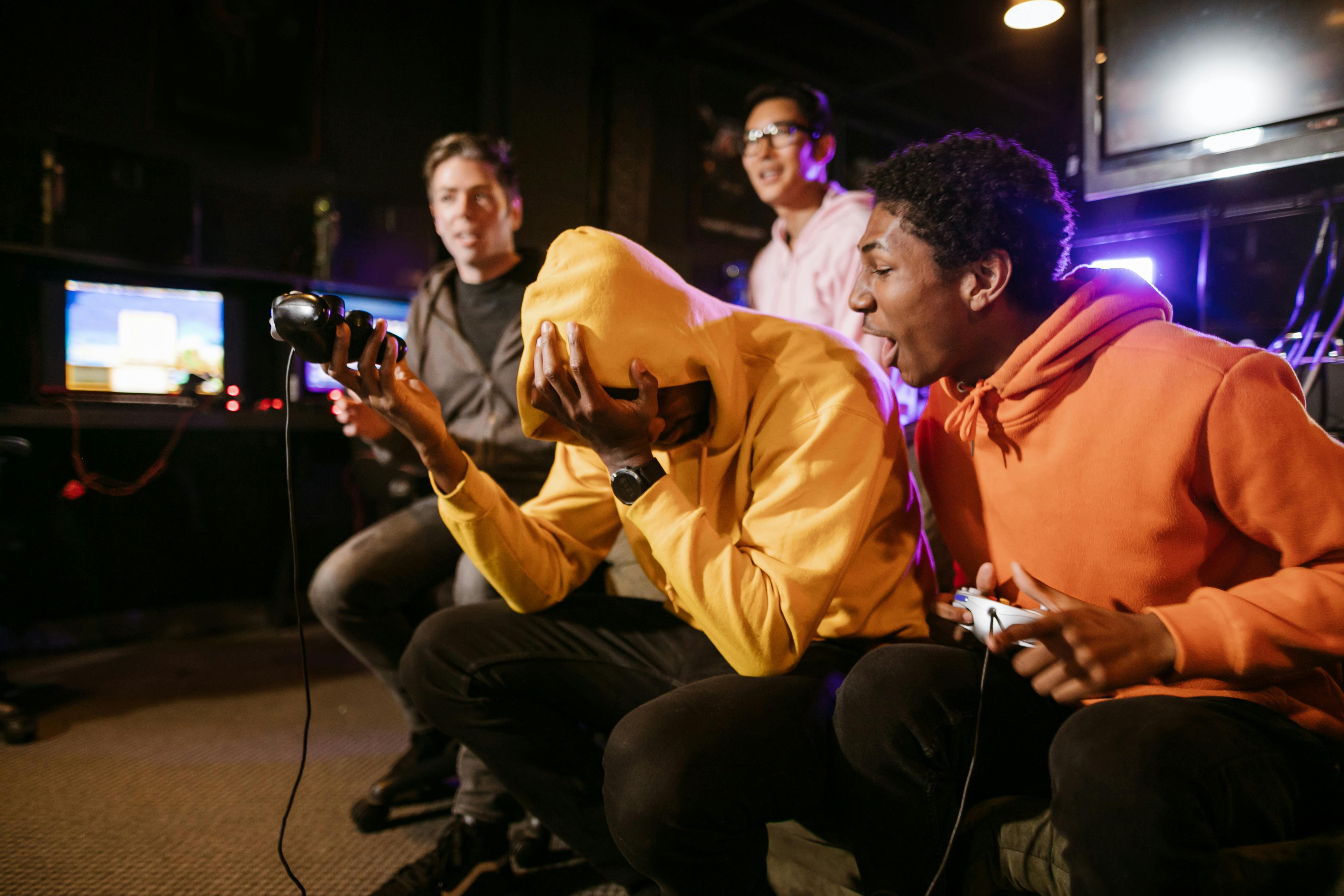
Indoor time used to feel like a break. A chance to sit back and disconnect. Today, it’s less about switching off and more about choosing how to stay engaged. What once relied on television schedules or local board games now spans real-time multiplayer platforms, streaming hubs, and interactive digital environments that reshape what downtime means.
This shift isn’t random. It reflects how digital entertainment has evolved into a hybrid of gaming, social interaction, media, and passive leisure. People still want to relax, but the tools they use to do so have become far more layered.
Online Casinos and the Quiet Rise of Digital Sweepstakes Platforms
Among these shifts, the growth of online casinos has stood out in a subtle but firm way. These platforms have grown from simple card games on a screen into detailed digital experiences where players can explore everything from slots to virtual lobbies.
Part of what keeps players engaged isn’t just the games. It’s the design, the interface, and the overall reliability of the platform. That’s why sweepstakes casinos are getting more attention. These are platforms that offer legal digital gaming options across regions that don’t allow traditional online gambling. The appeal is built on accessibility and compliance. But what keeps people coming back is a polished experience that feels effortless.
Not all sweepstakes casinos offer that, though. For users looking to explore these platforms, having a trustworthy starting point matters. That’s where curated lists like the one found at Deadspin’s new sweepstakes casino section prove useful. It’s not about the number of sites listed. It’s about consistency, reputation, and access to the freshest bonuses for this month.
High-quality sweepstakes platforms tend to prioritize two things above all else: usability and transparency. Players who use these platforms regularly know how to identify solid mechanics, fair payout systems, and user-friendly support. What makes the experience count is not just how the games run, but how seamless the overall navigation feels.
Streaming is No Longer Passive
Streaming content was once a lean-back activity. Now, it works more like a choose-your-own-path maze. Platforms let users skip intros, change endings, or even vote on live decisions in some shows. This level of interaction isn’t flashy. It’s functional. It keeps people present.
More interestingly, it has started bleeding into other formats. Streaming platforms now feature live sports with real-time chat, series with behind-the-scenes voting polls, and music events that allow fans to comment or tip performers on the spot. These features blur the line between viewer and participant.
Users tend to hover between multiple content formats. They might start with a show, shift into a mobile game, then check in on a sweepstakes casino bonus, and wrap up with a live stream of a podcast taping. The fluidity is what keeps them engaged.
Mobile Gaming is Filling the Gaps in Time
Mobile games used to feel like quick distractions. They now occupy structured parts of the day. During commutes, breaks between work, or wind-down hours at night, these games serve a role similar to what TV once did. They’re not just time fillers; they’re routine anchors.
Game developers understand this and optimize everything from reward timing to player notifications around these behavioral patterns. What’s emerged is a hybrid space between traditional gaming and casual digital interaction. Games might include chatrooms, friend leaderboards, or cooperative missions that require small groups of users to check in periodically. These elements create consistency, which reinforces routine.
More advanced platforms offer mini-events that mirror real-world seasons, holidays, or global news moments. It’s not uncommon to see in-game themes that reflect current sports championships, music releases, or cultural trends. This adds context and relevance, which makes users stay.
Social Interaction Now Happens Through Digital Play
The idea that indoor time is isolated doesn’t hold up anymore. Even when alone, users tend to choose platforms that allow indirect social contact. Online sweepstakes casinos have adopted public chatrooms and reaction buttons. Mobile games encourage guilds, co-op matches, and friend invites.
People use these touchpoints to stay lightly connected. It’s not about deep conversations, it’s about presence. Knowing that someone else is online, clicking, reacting, or scrolling at the same time keeps the space from feeling empty.
Even virtual concerts or livestreamed DJ sets lean into this. A simple reaction button or voting panel turns an audience into a group. The interaction might be basic, but the psychological result matters. It builds a sense of shared activity, which is what people now associate with quality indoor leisure.
What This Means for the Next Phase of Digital Leisure
The global online entertainment market size is growing like crazy, projected to grow from $111.30 billion in 2025 to $261.23 billion by 2032. And the way digital entertainment is shaping indoor time isn’t about intensity. It’s about rhythm. People move between platforms not because they’re chasing excitement, but because they want continuity.
Reliability and familiarity often rank higher than novelty. This is where user experience, quality design, and platform integrity play a key role. Whether someone is choosing a game, a streaming episode, or one of the platforms from that Deadspin sweepstakes list, the same thought process applies: “Will this work the way I expect it to?”
In that regard, digital leisure isn’t replacing what indoor time used to be. It’s reorganizing it. It reflects a more deliberate way to spend quiet hours. Platforms that understand that rhythm — and adapt to it — will continue shaping what that time looks like in the future.

How New Digital Entertainment is Changing What Indoors Leisure Time is added by rctadmin on
View all posts by rctadmin →
You must be logged in to post a comment Login