
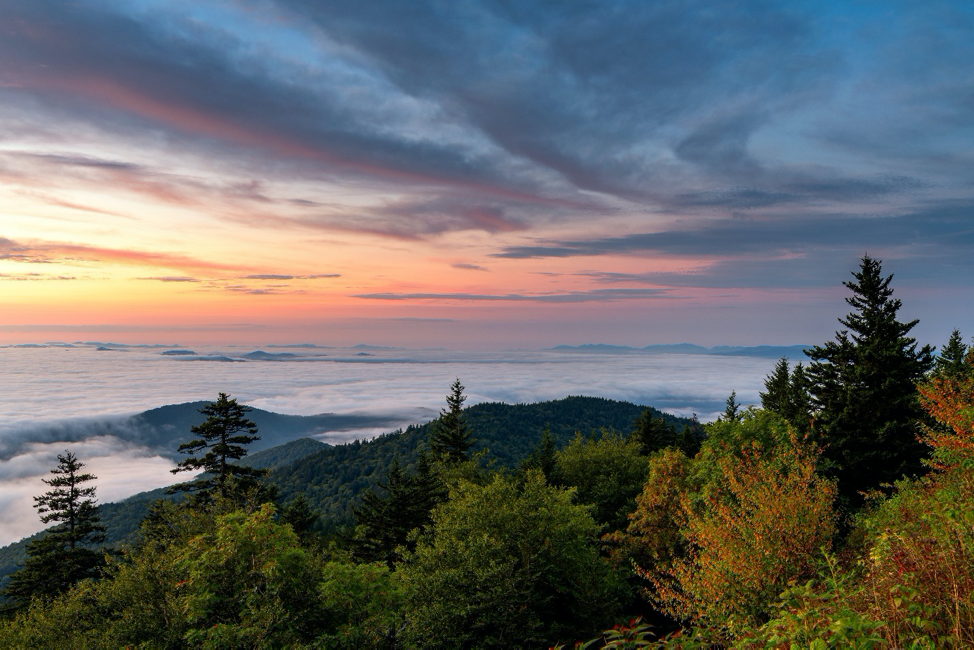
Not every trip needs energy, stimulation, or a full schedule to feel worthwhile. Many travelers now evaluate a destination based on how easily it allows them to slow down decision-making and reduce external input. Trips that do not rely on nightlife or crowds succeed because they remove pressure. There is no need to plan evenings, chase highlights, or compete for space. The experience centers on how the day unfolds without interference.
The Smoky Mountains work well for this type of travel because the environment supports autonomy. Visitors decide how much or how little they want to do without sacrificing the experience. Time is guided by daylight, weather, and personal energy rather than entertainment options. This creates a trip that feels complete without constant activity, which is why it resonates with travelers who value calm over stimulation.
Quiet Stays
Secluded accommodations play a defining role in crowd-free travel. Staying away from shared buildings, high-traffic corridors, and dense clusters removes the need to manage noise and schedules. A private setting allows mornings and evenings to happen naturally without external interruption. The experience begins and ends at the accommodation rather than being dependent on outside venues.
When looking for cabins for rent Smoky Mountains and their scenic location play a major role in shaping the overall experience. Smoky Mountain Vacation offers options placed in wooded areas and hillside settings that maintain privacy throughout the day. Cabins positioned this way support quiet mornings, uninterrupted afternoons, and evenings that do not require planning.
Daylight Planning
Travel planning centered on daylight removes a major source of pressure. Without nightlife or late reservations, days become easier to structure. Activities happen when visibility and energy align, which reduces fatigue. Travelers can begin early, pause often, and finish the day without feeling that something is missing.
In destinations like the Smokies, daylight planning allows flexibility. A hike can happen before lunch without concern for crowds. Scenic drives can stop and start without deadlines. Meals become responsive rather than scheduled. This structure supports a full day without the sense of rushing or overcommitting, which often defines more crowded destinations.
Slow Landscapes
Landscapes designed for unhurried movement support deeper engagement without requiring effort. Wide trails, overlooks close to access points, and gently graded paths allow exploration without exertion. Visitors spend more time observing and less time navigating. The environment encourages attention without demanding stamina.
In the Smoky Mountains, scenery often appears alongside ordinary movement. Views emerge during short walks or while driving between locations. This proximity allows nature to remain present throughout the day rather than being limited to specific outings.
Low-Density Walks
Walkable environments without heavy commercial density allow movement without distraction. Paths, small roads, and natural walkways free from signage and storefront noise create space for observation. Walking becomes a way to pass the time rather than reach destinations.
Low-density walking supports repetition, which strengthens familiarity. Taking the same path more than once creates a sense of orientation. This familiarity reduces cognitive effort and increases comfort. Destinations that allow this type of movement often feel easier to remember because experience builds gradually rather than through isolated highlights.
Rest as Structure
Quiet destinations remove the expectation that evenings must be filled. Rest becomes part of the experience rather than a pause between activities. This supports clarity and sustained enjoyment across multiple days.
In crowd-free environments, rest often happens without planning. Reading, sitting outdoors, or simply watching changes in light require no preparation. Sleep aligns with darkness rather than recovery from overstimulation. This structure allows travelers to remain engaged without burnout, which often determines whether a trip feels restorative or draining.
Crowd-Free Outdoors
Outdoor experiences carry different weight when they are not compressed by volume. Nature loses clarity when movement becomes restricted or when attention gets divided by proximity to others. Travel experiences that avoid crowds allow outdoor spaces to function as intended. Paths remain usable, overlooks feel open, and time spent outside does not require negotiation or patience.
In the Smoky Mountains, many outdoor areas remain accessible without requiring early reservations or strategic timing. Trails, scenic pull-offs, and forested areas often provide space without isolation. Visitors can stop, linger, or turn back without disruption. This freedom allows outdoor activity to support presence rather than performance.
Mental Reset Locations
Some destinations support a mental reset by removing constant input. Quiet travel works because it reduces the number of decisions required throughout the day. There is no need to evaluate noise levels, reservation windows, or crowd patterns. Attention stays focused on the immediate surroundings instead of logistics.
Locations that support this kind of reset often share common traits. Space exists between points of interest. Sounds remain consistent rather than layered. Visual environments stay uncluttered. In the Smokies, forest cover and elevation naturally limit visual overload.
Open Time
Environments where time feels uncompressed support travel experiences that remain flexible. Days do not feel segmented into blocks. Activities can extend or end naturally. There is no pressure to move on because nothing feels scarce. This openness allows travelers to respond to energy levels rather than plans.
In quieter destinations, open time often becomes the most valued part of the trip. Sitting outside without purpose, taking a longer break mid-day, or ending an activity early without replacement. These moments register because they occur without expectation. Travel that allows open time often feels longer and fuller because experience is not measured by quantity.
Observational Spaces
Spaces designed for observation rather than stimulation support deeper engagement. Benches near overlooks. Paths that slow movement. Areas where the environment changes subtly over time. These spaces do not instruct visitors on what to do. They simply allow attention to settle.
In the Smoky Mountains, observational spaces appear frequently. Forest clearings, roadside views, and quiet stretches of trail invite stillness without signage. Visitors often spend more time than planned in these spaces because there is nothing pushing them forward. Observation becomes the activity. This type of engagement creates durable memory because it relies on noticing rather than consumption.
Quiet Familiarity
Travel experiences often become meaningful through repetition rather than novelty. Returning to the same spot at different times of day. Walking the same short path more than once. Sitting in the same place each evening. Quiet destinations allow familiarity to develop naturally.
In crowd-free settings, repetition builds comfort instead of boredom. Familiarity reduces cognitive load and increases awareness. Visitors notice changes in light, sound, and temperature because the setting remains constant. This consistency strengthens memory. Travel defined by quiet familiarity often feels personal rather than transactional.
Travel experiences that do not rely on nightlife or crowds succeed by removing pressure rather than adding activity. Quiet accommodations, daylight-based planning, open landscapes, and low-density movement allow attention to settle where it belongs. The Smoky Mountains support this type of travel by offering space, accessibility, and environments that do not compete for attention. Experiences formed this way tend to stay clear because they rely on presence, not stimulation.

Travel Experiences That Do Not Rely on Nightlife or Crowds added by rctadmin on
View all posts by rctadmin →
You must be logged in to post a comment Login