
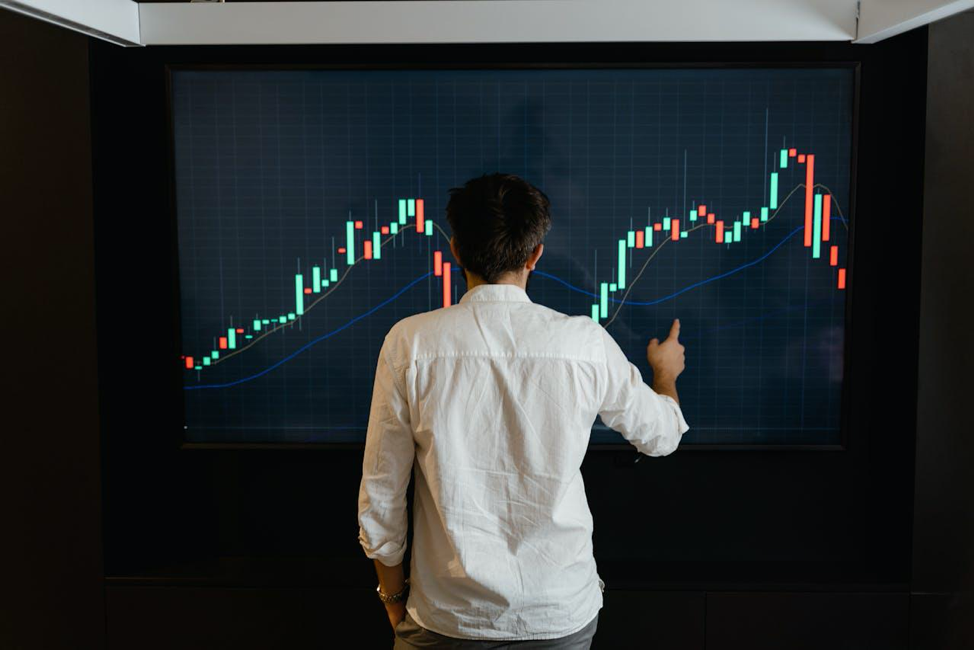
Watching a portfolio swing wildly can make anyone feel uneasy. It stirs up a mix of excitement and dread that is hard to shake. Staying calm isn’t just about having a stiff upper lip. It is about making better decisions when the pressure mounts.
You can learn to keep your head clear even when the charts look chaotic. Markets will always move in ways you do not expect. Your job is to remain steady while everything else fluctuates.
Master Emotional Equilibrium in Financial Swings
Keeping your emotions in check is vital for long term survival. When prices soar, greed kicks in. When they tank, fear takes over. Neither state helps you think clearly. The goal is to remain neutral regardless of what the screen shows.
You want to reach a place where a winning day doesn’t make you feel invincible and a losing day doesn’t ruin your week. This balance allows you to stick to your plan without impulsive reactions. You must decouple your self-worth from your account balance. Your value as a person does not change just because a stock price went down.
Apply Psychology of Trading Principles
Understanding how your brain works under stress is a huge advantage. Many people ignore the mental aspect but the psychology of trading plays a massive role in your results. It teaches you to recognize cognitive biases that lead to poor choices.
You might hold a losing position too long because you refuse to admit you were wrong. Or you might sell a winner too early because you are afraid the profit will vanish. Recognizing these patterns helps you break them. You learn to act based on logic rather than fear or hope.
Improving your mental game takes practice and the right environment. Finding a supportive ecosystem like MavenTrading can provide the stability you need to grow. When you surround yourself with resources that prioritize discipline over gambling, it becomes easier to stay focused.
Routine in Volatility
A consistent schedule creates a sense of control. When the market is unpredictable, your actions should not be. You might start your day with a review of your goals or a quick analysis of the news. This structure calms the nerves. It gives you a familiar process to fall back on when things get hectic.
You rely on your habits rather than your feelings to get you through the session. Routines reduce decision fatigue. You do not have to wonder what to do next because your plan already tells you. This saves your mental energy for the critical moments when you really need it.
Define Personal Boundaries for Success
You must know when to stop. This applies to both your losses and your time. Setting a maximum loss limit for the day or week protects your capital. It also protects your sanity. Once you hit that number, you walk away. Similarly, staring at screens for twelve hours leads to burnout.
Define your working hours and stick to them to keep your mind fresh. Taking breaks is productive. Stepping away allows your brain to reset and often gives you a new perspective when you return.
Conclusion
Staying grounded during market swings is less about predicting every move and more about managing your internal responses. When you understand the psychology of trading and recognize how emotions influence your decisions, you gain the ability to stay steady even when the charts look chaotic. A consistent routine, clear boundaries, and emotional awareness create a buffer between you and the noise of the market. Over time, this stability becomes one of your greatest strengths. It allows you to think clearly, act intentionally, and protect both your capital and your confidence. Markets will always rise and fall, but a grounded trader remains steady through it all.

How to Stay Grounded During Market Ups and Downs added by rctadmin on
View all posts by rctadmin →
You must be logged in to post a comment Login