
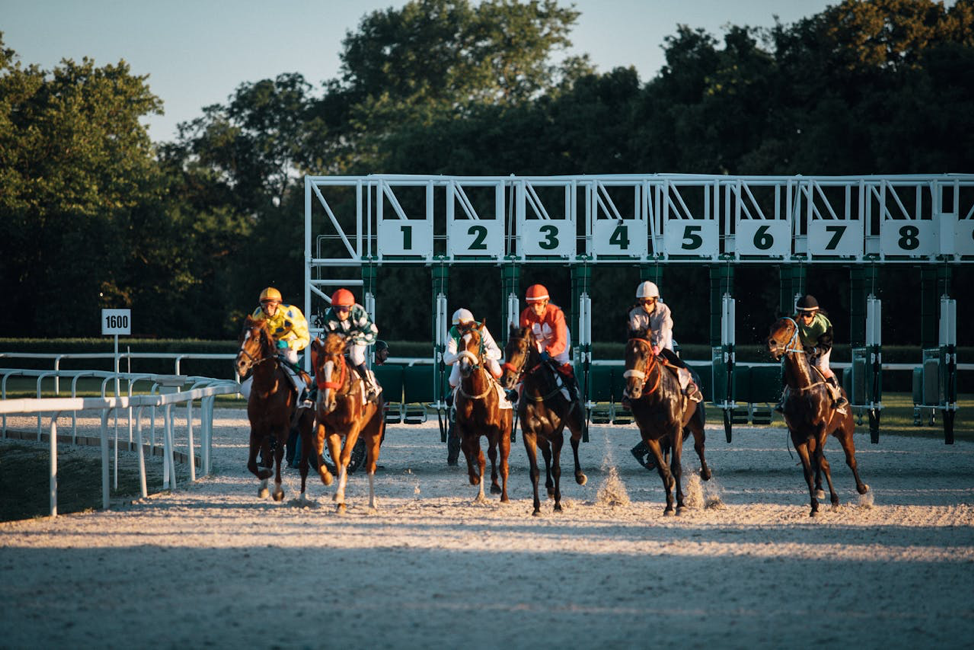
Even though horse racing doesn’t usually come up when it comes to political headlines in Pennsylvania, it is safe to say that it never fully disappeared, either. Yes, horse racing in Pennsylvania isn’t as big as in other states like Kentucky, but the sport is still relevant and has an impact on local communities and businesses.
Horse racing in Pennsylvania is tied to jobs, land use, tax revenue, and entire communities that depend on the sport staying alive. So, they must linger in budget talks, committee hearings, and side conversations, and they matter because they dictate the future of the sport.
So, for lawmakers, ignoring horse racing isn’t really an option, even if it is not the most popular sport in Pennsylvania. Too many people and too much infrastructure sit behind it.
Let’s discuss why horse racing still matters in Pennsylvania politics.
The Track as an Employer, Not a Backdrop
Pennsylvania has a deep relationship with horse racing that goes back generations. Long before slot machines and online sports betting activities existed, racetracks were the king of betting.
They anchored agricultural regions, supported breeding farms, and created year-round employment that extended much further than race days. In other words, horse racing as a sport has impacted Pennsylvania’s economy in many different ways.
Think about it. What does horse racing need? First, there is a need for horses, which need to be bred and trained. This means that there are more job opportunities for people like trainers, breeders, and stable staff. Then we have betting, which is a huge part of the sport and Pennsylvania’s way to collect more taxes.
Fast forward to today, and sports betting online, including horse racing, runs in full steam in Pennsylvania. People love betting on horse racing, and that’s the main thing that keeps horse racing alive.
After all, how did you think horse racing survived for centuries? Well, it is only because people were betting on the sport.
That’s why sports betting outlets like TwinSpires.com are so popular out there, even for non-local races like the Kentucky Derby.
Then we have the racetracks in Pennsylvania. There aren’t many, but the ones that still exist are pushing the sport into the future. Tracks like Prax Racing, Penn National Race Course, and Presque Isle Downs are tied to local employment in many ways. They host big horse racing events, where feed suppliers, veterinarians, farm workers, trainers, transporters, and breeders are needed.
So, obviously, the impact of horse racing on Pennsylvania’s economy is huge, which is why the sport never fully left the political conversation.
Communities Built Around Racing
Are you a horse racing fan, or do you know someone who loves horse racing? Well, horse racing fans are one of the most hardcore communities ever. They are extremely loyal to the sport, and they watch it for generations.
Training centers, breeding farms, veterinary clinics, and transport companies formed around the tracks over the decades. Some communities are still shaped by that history.
If we remove the track, then we have a ripple effect that spreads quickly. Fewer horses means fewer racing events, fewer farms, fewer veterinary clinics, and so on.
Horse racing also plays a big part in the advancement of rural places in Pennsylvania. That’s why rural lawmakers in Pennsylvania defend racing so strongly.
Slot Revenue and the Political Trade-Off
Horse racing became even more politically relevant once slot machines entered the picture. Why? Well, when Pennsylvania approved slots at racetracks, it tied racing’s survival directly to gambling policy.
This changed the entire sport in many ways. First of all, a portion of the slot revenue was dedicated to supporting purses, breeding programs, and racing operations, which means that horse racing as a sport would improve and become more popular.
That decision alone solved one problem that haunted the horse racing industry for years – money.
However, although it stabilized racing and protected jobs, it also entered the conversation every time lawmakers discussed gaming taxes or revenue distribution.
But we have to agree that this saved the sport, and like it or not, horse racing is still relevant today because of slots.
Horse Racing Is More Than Just Betting
One of the reasons why horse racing is still relevant today is that it refuses to fit into one category. Think about it. It’s gambling, but at the same time, it helps agriculture, it’s entertainment, it’s land preservation, it increases tax revenue, and it creates more job opportunities than any other sport.
Did you know that Pennsylvania’s agriculture brings over $132 billion annually and supports close to 600,000 jobs?
So, if you cut funding, the state risks losing farms, jobs, and entire supply chains.
Labor, Regulation, and Quiet Influence
Racing also intersects with labor and regulation in ways most people don’t notice. Tracks employs union workers in hospitality and operations. Breeding and training operations support agricultural labor markets that matter politically, especially in districts with limited alternatives.
Regulatory agencies oversee racing closely, which means policy shifts can’t happen overnight. Changes require coordination, hearings, and often compromise. That slows things down, but it also gives racing advocates time to organize and be heard.
Lawmakers argue about how much support racing deserves, but few of them argue it doesn’t matter at all. As long as tracks employ people (and they are doing a good job so far), farms rely on horses, and communities grow, the sport will stay relevant.
In the future, horse racing will still stay relevant in Pennsylvania, unless something drastic happens, which is highly unlikely.

Jobs, Communities, and the Track: Why Horse Racing Still Matters in Pennsylvania Politics added by rctadmin on
View all posts by rctadmin →
You must be logged in to post a comment Login