
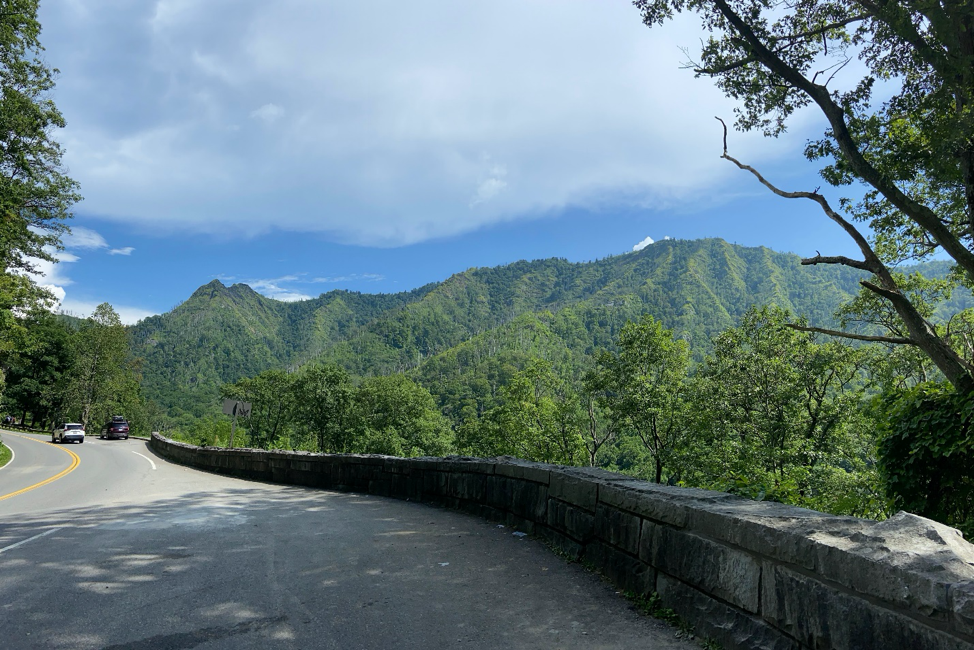
Many parents see road trips as long drives between destinations, but a family drive can be much more than that. It becomes a shared experience where everyone notices new things and enjoys time away from daily routines. Kids often remember small moments like spotting wildlife or finding a scenic overlook.
This is especially true in the Great Smoky Mountains, which span Tennessee and North Carolina and are among the most visited national parks in the United States. Known for scenic roads, historic sites, and dense forests, the area encourages families to slow down and explore. With a little planning, a simple drive can become an engaging family activity. Choosing routes with natural beauty and interesting landmarks keeps everyone curious and turns the journey itself into the highlight of the day.
Choosing the Right Route to Keep Kids Engaged
The first step in creating a memorable family drive is selecting a route that offers something interesting along the way. Kids stay more engaged when the scenery changes often and when there are stories connected to what they see. Mountain roads, forest trails, and historic areas naturally provide these moments and keep curiosity high throughout the drive. When the landscape itself offers something new every few minutes, children remain interested without needing constant entertainment.
One route that reflects this well is the Roaring Fork Motor Nature Trail in the Great Smoky Mountains, which winds through dense forests and passes preserved log cabins from early Appalachian settlers. Routes like this give families plenty to notice from the car, including rushing streams, wildlife, and historic landmarks. Many visitors exploring the Smoky Mountains stay in nearby vacation cabins, which makes it easy to enjoy scenic drives at a relaxed pace. Local lodging providers, such as Parkside Cabin Rentals, offer cabin stays near the national park, providing families with a comfortable base for exploring popular routes during their trip.
The Art of Slow Travel: Enjoying the Journey Together
Many families feel pressure to keep moving during outings. In reality, slowing down often makes the experience better. When parents treat the drive itself as part of the activity, children naturally become more observant and engaged with their surroundings.
Driving at a relaxed pace allows families to notice details they might otherwise miss. Kids may spot birds perched in trees, a waterfall beside the road, or an old cabin hidden among the woods. Parents can ask simple questions about what their kids see, which turns the ride into a shared learning experience.
Pre-Trip Preparation: Packing the Ultimate “Boredom Buster” Kit
Preparation makes a big difference in how smoothly a family’s drive goes. A small kit filled with simple activities can keep kids entertained during quieter stretches of the route. Coloring books, travel games, binoculars, and small notebooks all work well for this purpose.
Parents can also include items that connect children with the scenery outside the car. A small wildlife guide or a simple checklist of animals encourages kids to look closely at the landscape. Adding snacks, water bottles, and a favorite comfort item helps everyone stay relaxed and focused on enjoying the trip.
Identifying Interactive Landmarks: Turning the Drive into a Scavenger Hunt
Children engage more when they have a task or challenge during the drive. Turning the trip into a scavenger hunt is an easy way to create that sense of participation. Parents can make a short list of things to find, such as bridges, wildlife, streams, or historic buildings.
When a child spots something on the list, it creates a moment of excitement for everyone in the car. Over time, these small discoveries build anticipation and keep the entire family interested in what the next turn in the road might reveal.
Photography and Journaling: Seeing the Day Through a Child’s Eyes
Kids often notice details adults miss, which makes photography a great way to deepen their engagement during a scenic drive. Giving children a simple camera or allowing them to take a few supervised photos on a phone encourages them to pay closer attention to what they see. They begin looking for interesting trees, wildlife, or unusual buildings rather than passively watching the road pass by.
A small travel journal can add another layer to the experience. Children might draw a waterfall they spotted, write down animals they saw, or describe their favorite stop along the way.
Picnic Planning: Turning Roadside Stops into Mini Celebrations
A picnic can easily become one of the highlights of a family day trip. Instead of relying on fast-food stops, packing a simple meal lets families enjoy scenic surroundings while taking a break from the car. Fresh sandwiches, fruit, trail mix, and plenty of water work well because they are easy to transport and quick to serve.
Choosing the right spot makes the experience even better. Look for areas with picnic tables, open grassy spaces, or views of rivers or mountains. Kids can move around and release energy while parents relax for a few minutes. That short pause helps everyone recharge before continuing the drive.
Safety and Comfort: Keeping Everyone Happy on the Road
Comfort plays a big role in how enjoyable a family drive feels. Planning regular stops gives kids time to stretch their legs and prevents restlessness from building during longer stretches of road. Even a five-minute break at a scenic pull-off can improve everyone’s mood.
Snacks and hydration also matter more than many parents expect. Packing balanced options like fruit, crackers, and water helps avoid sudden hunger or energy dips. If anyone in the family is prone to motion sickness, it helps to bring simple remedies and keep the car well-ventilated.
Unplugging to Reconnect with Nature and Each Other
Screens can easily take over during long drives, but limiting device use often leads to a more enjoyable experience for everyone. When kids are encouraged to look outside instead of at a screen, they naturally become more aware of the landscape around them. They begin asking questions and noticing small details.
Parents can replace screen time with simple road trip activities. Games like “I Spy,” storytelling, or spotting wildlife keep everyone involved in the journey. These shared moments often lead to better conversations and laughter, which is exactly what many families hope to gain from spending time together.

Simple Ways to Turn a Scenic Drive into a Memorable Family Day Trip added by rctadmin on
View all posts by rctadmin →
You must be logged in to post a comment Login