
Family traditions rarely begin with some grand plan. Most of them start quietly. One trip works out well. Everyone has fun. Someone says, “We should do that again next year.” And just like that, something begins forming.
Adventure trips tend to stick especially well. They are different from regular vacations where everyone lounges around a pool or follows a predictable schedule. Adventure brings little surprises. A steep trail that looked easier on the map. A sudden view that makes everyone stop talking for a moment. A funny mistake that turns into the story people repeat for years.
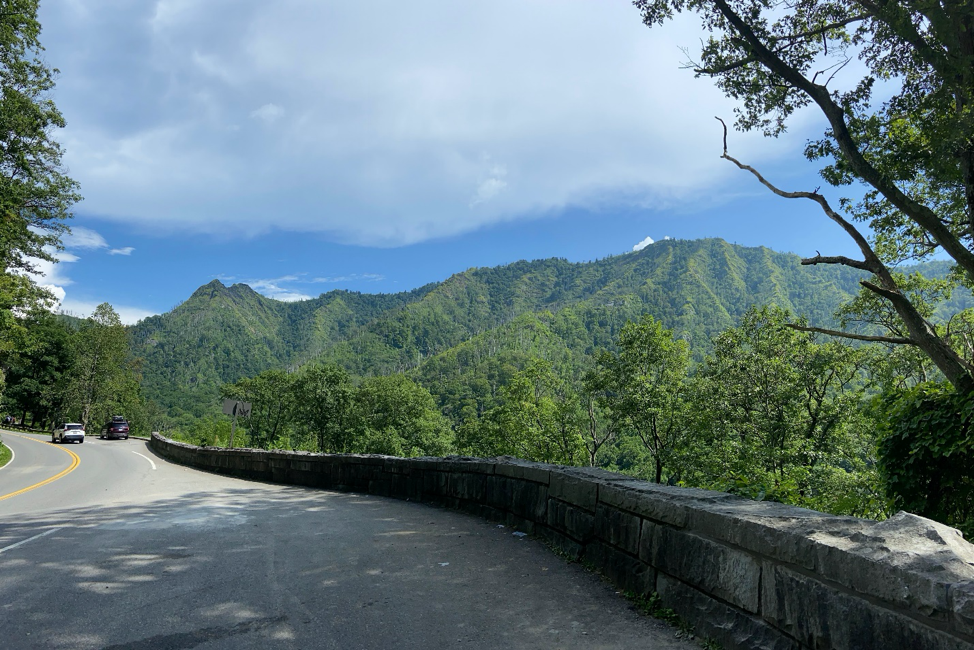
A lot of families stumble into this kind of tradition while visiting the Smoky Mountains. The setting almost invites it. Mountains everywhere, winding trails, quiet roads that suddenly open into big views. One day might involve hiking. Another day might bring something louder.
Adventure Destinations That Become Family Landmarks
Certain places slowly turn into landmarks in family history. Not famous landmarks. Personal ones. A trailhead someone remembers from years ago. A hilltop view that appears in old photos. A stretch of road that signals the trip has officially begun.
Families often return to the same adventure spots because the familiarity adds something special. People remember where they took a break during the first hike. Someone recalls the moment a younger sibling got brave enough to try something new. Those places hold memories that only the family fully understands.
For some families, adventure parks and outdoor activity areas become the anchor of those traditions. Spots like Bluff Mountain Adventures offer the kind of activity that sticks in people’s minds. Riding through rugged terrain, kicking up dust on an ATV, laughing when someone gets a little nervous on their first turn. It becomes one of those experiences everyone talks about on the drive back. Staying nearby helps keep the whole experience relaxed. Cabins from Bluff Mountain Rentals give families space to unwind after a long day outside. Instead of rushing back to a hotel room, everyone spreads out, cooks dinner together, and talks about the day.
Outdoor Traditions That Encourage Active Lifestyles
Something interesting happens once adventure trips become routine. Movement stops feeling like exercise and starts feeling like part of the trip itself. Families wake up and head outside without thinking much about it. Maybe it is a trail that looked interesting the day before. Maybe someone wants to explore a new overlook. Sometimes the activity just grows out of curiosity.
Kids especially respond to this kind of environment. They climb rocks. Wander around trails. Ask to try another activity after finishing the first one. Energy seems endless once the setting encourages exploration instead of sitting still. Over time, that pattern sticks. Outdoor activity becomes a natural part of family time. Not something forced. Just something everyone expects once the trip begins.
Creating Family Stories That Last for Decades
Adventure trips generate stories whether anyone plans for them or not. Someone gets lost on a trail for a few minutes. A sudden rainstorm appears halfway through a hike.
Families tend to repeat those moments constantly. Around dinner tables. During future trips. Even years later, when younger relatives ask about the “legendary” adventures from earlier days. It is funny how memory works that way. The polished moments fade a little. The imperfect ones stay bright.
Teaching Problem-Solving
Outdoor settings introduce small challenges all the time. Nothing dramatic usually. Just situations where the plan needs adjusting. A trail splits into two directions, and the map suddenly looks confusing. The weather changes faster than expected. Someone forgot to pack something important, and the group has to figure out a workaround.
Families end up solving those problems together. People suggest ideas. Someone checks the map again. Another person notices a trail marker that everyone else missed. Kids watch this process closely. They see adults thinking through situations instead of panicking. They learn that problems are usually manageable with a little patience and discussion.
Developing Resilience Through Outdoor Experiences
Adventure sounds great while planning it. Once everyone actually gets out there, things rarely go perfectly. A trail feels longer than expected. Someone forgot water in the car. The weather decides to change right when the hike gets interesting. None of it ruins the trip. It just makes the day a little rougher.
Families usually handle those moments together without much ceremony. Someone suggests slowing down. Another person points out a shady spot to take a break. Ten minutes later, everyone is laughing again and moving forward. What sticks afterward is the feeling of finishing something that looked difficult earlier. Kids especially notice that shift. Something that felt intimidating at first suddenly becomes a story they’re proud of. Adventure trips quietly build that kind of confidence. Nobody calls it resilience while it’s happening. It just shows up later the next time something feels challenging.
Encouraging Exploration Beyond Familiar Environments
Most people spend their days in the same few places. Work. School. Home. The same roads connect all of it. Adventure trips break that pattern almost immediately. The scenery changes. Roads twist through mountains instead of traffic lights. Trails appear where sidewalks normally exist. Everything feels slightly unfamiliar in a good way. Families start wandering a little. Someone notices a path that looks interesting. Another person suggests checking out an overlook they spotted earlier. Plans drift as curiosity takes over.
Those little detours usually become the highlights of the trip. The unexpected waterfall. The quiet viewpoint nobody planned to visit. Exploration creates moments that feel personal rather than scheduled. After a few years, families begin expecting that feeling. Part of the tradition becomes seeing what new place might appear next.
Developing Practical Outdoor Skills Across Generations
Adventure traditions have a quiet teaching style. Nobody gathers the group for formal lessons. Skills just appear during the day. Someone learns to read a trail map because the group needs help figuring out which direction to take. Another person gets good at packing gear after watching it done a few times. Parents show kids little tricks without realizing it. How to notice trail markers? How to tell if rain might be coming? Which shoes work best for rocky paths?
A few years pass, and those kids start doing the same things automatically. Sometimes they end up explaining it to someone else on the trail. That’s how the knowledge moves forward. Not through instructions. Just through repetition and shared experience.
Adventure traditions grow slowly. One trip works out well. The family decides to repeat it. A few years pass, and suddenly everyone realizes those experiences have become part of the family story. The places feel familiar. The activities bring back old memories. New ones appear every time the trip happens again. That’s the real impact of adventure-based traditions. They keep adding chapters to a story the family is writing together.

The Lasting Impact of Adventure-Based Family Traditions added by rctadmin on
View all posts by rctadmin →
You must be logged in to post a comment Login