
By Alexander Garay
Nova Seed is a hand-drawn animated film created by Nick DiLiberto, consisting of a staggering 60,000 frames. The story follows a “Neo-Animal Combatant”—a lion-human hybrid—trying to stop the evil Dr. Mindskull from remaking the world. This narrative structure can be compared to 1980s classics such as Transformers or Masters of the Universe, where a singular antagonist threatens global transformation and only a hybrid hero possesses the power to intervene.
Dr. Mindskull’s vision to pervert society through remaking the world drives the central conflict, elevating the film beyond simple action sequences. Yet while these 1980s comparisons play a major role in the film’s plot and thematic framework, the narrative can seem messy and hard to follow at times, often prioritizing theatrics over a cohesive narrative structure. This choice reflects the film’s commitment to spectacle—a deliberate aesthetic decision rather than an accidental flaw.
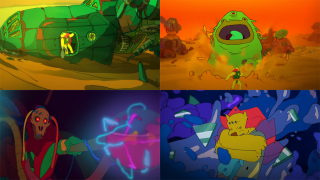
Nostalgia is essential to this film; it carries its visual style heavily. The movie features scrappy character motions and vibrant colors in isolated environments, whether Mindskull’s lair or the simple desert expanses. These scrappy character motions—jerky limbs, exaggerated poses, economical animation cycles—are not budget constraints but intentional choices that mirror the visceral energy of 1980s Saturday morning cartoons. The vibrant color palette, from electric blues in technological spaces to rust-orange desert vistas, reinforces this nostalgic landscape. The psychedelic soundtrack accompanies these visuals, creating a sensory experience that feels like revisiting a childhood fever dream.
Fun action scenes make the film enjoyable and easy to look past its technical limitations. The animated sequences capture kinetic energy through their scrappiness—characters move with urgency rather than polish, and this rawness intensifies the stakes. Each action beat feels handcrafted rather than procedurally generated, inviting viewers to appreciate the labor behind each frame.
This film is silly, yet it has a genuine heart which cannot be replicated easily. The purpose of science fiction is often to invoke meaning, provoke thought, or bestow heart; Nova Seed falls short on philosophical meaning, but it does make you think heavily on the set design of these environments. Mindskull’s lair presents a labyrinthine technological space filled with inexplicable machinery, forcing attention to environmental storytelling. The desert sequences, by contrast, emphasize isolation and vastness, suggesting vulnerability. This environmental design richness demonstrates that the filmmaker prioritized immersive world-building despite narrative messiness.
The sound falls short at times—a large majority of it sounds like it was recorded on an outdated iPhone. Yet given the goofy nature of both the animation and storytelling, this audio quality does not detract as it would in a live-action film. Instead, it reinforces the project’s scrappy authenticity, making the ambitious scope feel more impressive rather than less credible. The imperfection becomes part of the film’s charm.
Nova Seed proves that a childhood fever dream can result in a fun, creative work of art from a medium that has been widely forgotten by mainstream audiences. Nostalgia is the engine of this film, and it carries forward through every creative choice—from character design to environmental worldbuilding to the deliberate imperfections that make the vision feel personal. This film is a must-watch for all fans of indie animation, adult animation, and those reminiscing about their ‘80s childhood. Nova Seed can be viewed on major video-on-demand platforms and via Vinegar Syndrome’s website for Blu-ray purchase.
Read more of Garay’s work at toxicbird.substack.com

Nova Seed’s Charm and Nostalgic Nature added by rctadmin on
View all posts by rctadmin →
You must be logged in to post a comment Login