
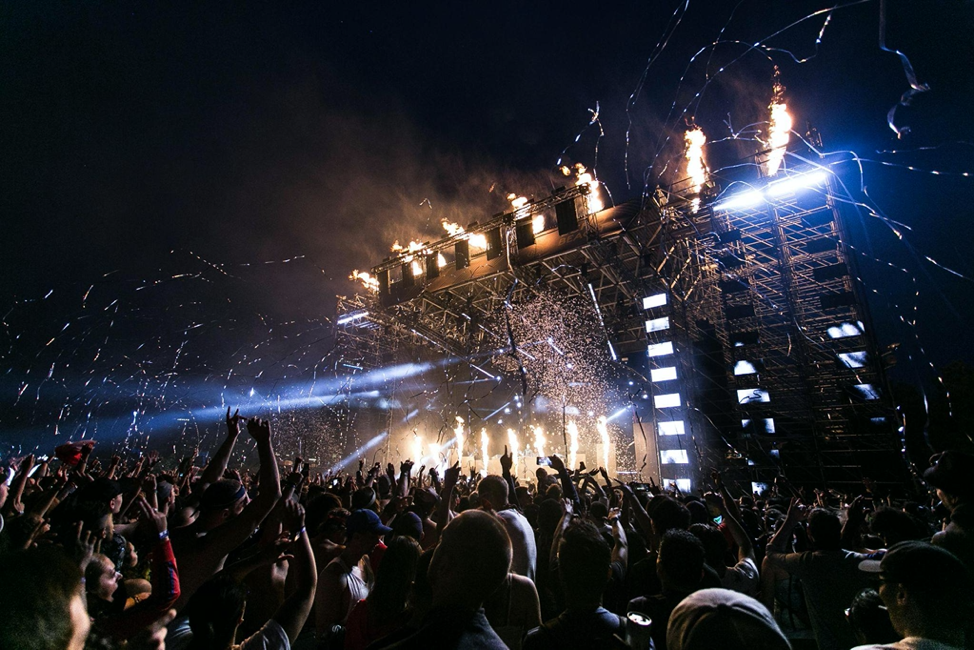
Film festivals used to mean gathering in crowded theaters, waiting for the lights to dim, and sharing the first reactions with everyone in the room.
Today, that sense of anticipation is finding a new form. Instead of tickets and physical seats, digital links to online premieres carry just as much weight for filmmakers and fans.
This shift is subtle but meaningful. Online access opens the door to broader audiences, changing how films are discovered and talked about.
For indie creators especially, the stakes are real. The buzz that once grew from face-to-face exchange now thrives through clicks, shares, and virtual conversations.
As festival landscapes keep evolving, what counts as a premiere or a celebration is being reimagined in real time.
Audience discovery starts with a share, not a seat
This new wave of festival buzz moves at the speed of a message, not a curtain call.
Filmmakers and fans pass streaming links through group chats, emails, and social feeds, building anticipation before any local screening even happens.
Suddenly, premieres aren’t limited by geography or ticket availability. Films can reach supporters, industry voices, and potential collaborators in different time zones all at once.
For many outside traditional festival hubs, this kind of digital sharing is what brings the excitement to life. The film’s online presence—how easy it is to watch, talk about, or share—now shapes its momentum.
It’s common to find film tips in unexpected spaces. Sometimes recommendations pop up on platforms not even focused on movies, like ArabicCasinosGuide, where people swap entertainment ideas alongside other interests.
In this environment, discovery isn’t about who’s in the room. It’s about who’s in the loop. Personal invitations carry as much weight as a festival schedule, and the conversation travels far beyond city limits.
- Buzz builds through instant shares, not just physical attendance
- Premieres reach a broader, more diverse audience from the start
- Online word of mouth can be as powerful as official promotion
Festival excitement now rides on digital momentum, making every share a potential spark for a new wave of discovery.
Festival prestige follows the crowd online
As digital word of mouth becomes the main driver of discovery, the idea of prestige is shifting too.
No longer is it just about how many people fill the theater seats or which exclusive venues are listed on a program.
Festivals now welcome audiences from across the world, blending in-person events with large-scale streaming access.
Take the 2024 Sundance Film Festival, for example—the 2024 Sundance Film Festival Report shows over 361,000 people watched films either in theaters or from their own screens.
That kind of reach was unthinkable just a few years ago.
- Prestige is now tied to how many people engage online, not just who attends in person
- Logging in for a premiere can matter as much as being in the room
- Social interaction around a film often shapes its reputation and momentum
Filmmakers and promoters pay close attention to how easily a film can be shared, discussed, and championed online.
Digital buzz can quickly lift a title from obscurity to must-see status, sometimes even before a single in-person screening occurs.
This new balance means that industry attention often follows the crowd—where the online conversation goes, so does the spotlight.
Gatekeeping changes with films premiered online
This shift in attention brings another change: the rules about what counts as a “premiere.”
For years, film festivals insisted that a movie couldn’t be considered if it had already appeared online. That kind of exclusivity was the gold standard—once a film was public, many doors closed.
But now, more festivals are rethinking what discovery really means. There’s a growing recognition that the best stories might already be circulating online, and that digital audiences are just as valuable as those in the theater.
About 16 percent of festivals now openly accept films previously released online. This shift is opening doors for filmmakers who want to build momentum early, without worrying about being disqualified from key events.
- Online premieres no longer automatically disqualify a film from festival consideration
- Filmmakers can use digital buzz to build an audience before a festival run
- Some festivals still require exclusivity, so checking rules is crucial
The policies aren’t uniform, though. Each festival sets its own standards, and some remain strict about what counts as a premiere. Transparency matters more than ever—creative teams must read the fine print before submitting, weighing the benefits of early online traction against the risks of missing out on certain programs.
This evolving landscape means that filmmakers must adapt their strategies. A film’s journey is no longer linear. It might start with a streaming release, gather fans, and then land a coveted festival slot. Or it could go the traditional route first, then build a digital following.
To get a sense of how policies are changing worldwide, resources like Film Festival Submission Policies track the latest trends and help creators make informed decisions.
The line between “premiere” and “public” is blurrier than ever. For filmmakers and audiences, that means more opportunity—but also more choices to weigh as the festival world adapts to the age of the link.
Distribution dreams—and roadblocks—after the buzz
After a film rides the wave of festival buzz, the real challenge begins. Online premieres and energetic sharing can spark attention, but that early excitement doesn’t guarantee a path to distribution.
Filmmakers quickly learn that getting noticed is only one hurdle. The jump from being a festival favorite to landing deals or streaming spots often depends on details like timing, film length, and how well the film fits changing viewer habits.
Many short films find their second life online, long after their festival run ends. Platforms that reward “shareability” and active audience engagement can help these films reach fresh viewers months or even years later.
Still, competition is intense. Even films with plenty of buzz may get lost unless their online presence is strategic and persistent. Success stories often come from those who understand the types of shorts that connect best in digital spaces, and who refine their approach as the ecosystem shifts.
For a closer look at one film’s journey from festival link to wider recognition, the story of online distribution success shows just how unpredictable—and rewarding—this new landscape can be.
The lasting shift: festivals as connection engines, on and offline
This new era isn’t just about access—it’s about connection. The festival experience now stretches far beyond city limits, reaching anyone with a screen and a link.
Filmmakers and audiences are engaging in real time, whether they’re at a packed venue or watching from home. It’s a hybrid dynamic where every share, comment, or replay can shape a film’s future.
With more ways to participate, understanding timing and knowing your audience matters even more. Policies are evolving, and films that find their moment online can travel farther than ever before.
Short films especially benefit when creators consider factors like optimal short film length and tailor their outreach to fit the new landscape.
The heart of festival buzz now beats wherever people connect, making strategy and genuine engagement the keys to lasting recognition.

Festival buzz now arrives as a link, not a screening added by rctadmin on
View all posts by rctadmin →
You must be logged in to post a comment Login