
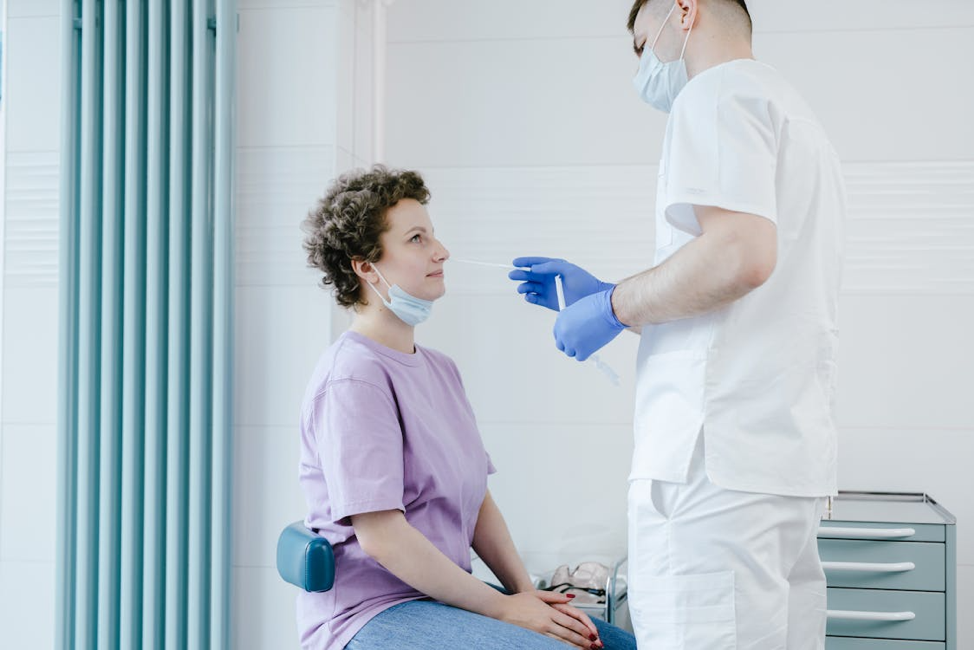
Healthcare is steadily moving toward prevention rather than reaction. Instead of waiting for symptoms to worsen, providers now focus on identifying risks early and guiding patients toward healthier habits. Nurse Practitioners (NPs) play a central role in this shift. They are often the first professionals patients see, making them critical in spotting warning signs before they turn into serious conditions. Their ability to combine clinical expertise with patient education helps create a more proactive healthcare experience.
This growing emphasis on prevention also highlights the need for skilled professionals who can adapt to evolving demands. As healthcare systems become more complex, the need for advanced clinical training continues to rise. Healthcare organizations rely on well-trained practitioners to improve patient outcomes and support long-term community health. The focus is on building a sustainable system that can meet both current and future needs.
The Clinical Core of Prevention through Advanced Education
At the heart of preventive care is a holistic approach, and NPs are trained to see the full picture of a patient’s health. They do more than diagnose illnesses. They evaluate lifestyle, stress levels, and environmental factors that influence well-being. This broader perspective allows them to identify risks that might otherwise go unnoticed during routine visits.
To provide this level of care, many nurses choose to advance their education through RN to FNP programs online, which offer the flexibility needed to balance work and study. This training builds on their existing knowledge and helps them strengthen clinical decision-making. As their skills improve, they become more prepared to take on advanced roles in patient care. Accredited universities, including William Paterson University, support this progression by offering structured programs designed for working professionals. These programs allow nurses to meet growing healthcare demands while maintaining a manageable work-life balance.
Managing Chronic Conditions
Chronic conditions require consistent attention, and NPs are well-positioned to provide that continuity. They regularly monitor patients with conditions like diabetes and hypertension, adjusting treatment plans as needed. Early intervention helps prevent complications and keeps conditions under control. This proactive approach reduces the likelihood of emergency care and long-term health decline.
They also focus on personalized care. Instead of a one-size-fits-all approach, NPs tailor strategies based on each patient’s lifestyle and health goals. Regular follow-ups and open communication ensure patients stay engaged, leading to better outcomes over time.
Bridging the Physician Gap
Nurse Practitioners are helping close a critical gap in healthcare access, especially in underserved and rural communities. Many areas face a shortage of primary care physicians, which can delay diagnosis and treatment. NPs step in to provide timely care, ensuring patients do not have to wait weeks for basic services. Their ability to deliver comprehensive care makes them essential in areas with limited medical resources.
Their presence also improves healthcare equity. By working in community clinics and local practices, NPs bring preventive services closer to where people live. This accessibility encourages patients to seek care earlier, which supports better health outcomes across entire populations.
Patient Advocacy and Counseling
A key strength of Nurse Practitioners is their ability to build strong, lasting relationships with patients. They take time to listen, understand concerns, and explain care plans clearly. This approach builds trust, making patients more comfortable discussing sensitive health issues. Strong communication also helps identify concerns that might otherwise remain unaddressed.
NPs also play an active role in guiding lifestyle changes. They provide practical advice on diet, exercise, and mental health, helping patients make realistic improvements. Ongoing support and consistent communication often lead to better adherence and more positive long-term results.
The Future of Family Practice
Family Nurse Practitioners are becoming an essential part of modern healthcare teams. Their training allows them to manage a wide range of conditions while maintaining a strong focus on prevention. This versatility makes them valuable in both primary care and specialized settings. Their role continues to expand as healthcare systems prioritize efficiency and accessibility. As demand for preventive services grows, FNPs are increasingly taking on leadership roles in care coordination and patient management.
As healthcare systems continue to evolve, FNPs help reduce costs by preventing complications and minimizing hospital visits. Their ability to deliver efficient, patient-centered care supports a more sustainable model that benefits both providers and patients. This approach not only improves health outcomes but also strengthens the overall quality and continuity of care.
A Stronger Path Forward in Preventive Care
Nurse Practitioners are shaping a healthcare system that prioritizes early intervention and long-term wellness. Their focus on education, accessibility, and personalized care makes a measurable difference in community health. By identifying risks early and consistently supporting patients, they help prevent serious conditions before they develop.
Advanced nursing education plays a key role in sustaining this progress. As more nurses pursue higher-level training, the healthcare system gains professionals who are equipped to meet growing demands. This shift supports a future where preventive care is not just encouraged but fully integrated into everyday practice.

Understanding the Role of Nurse Practitioners in Preventive Care added by rctadmin on
View all posts by rctadmin →
You must be logged in to post a comment Login