
Cannabis legalization sounds like a state or national issue, but its effects play out at the town level. Zoning decisions, tax revenue allocation, public safety adjustments, and community attitudes all converge in the neighborhoods where dispensaries open and consumers live.
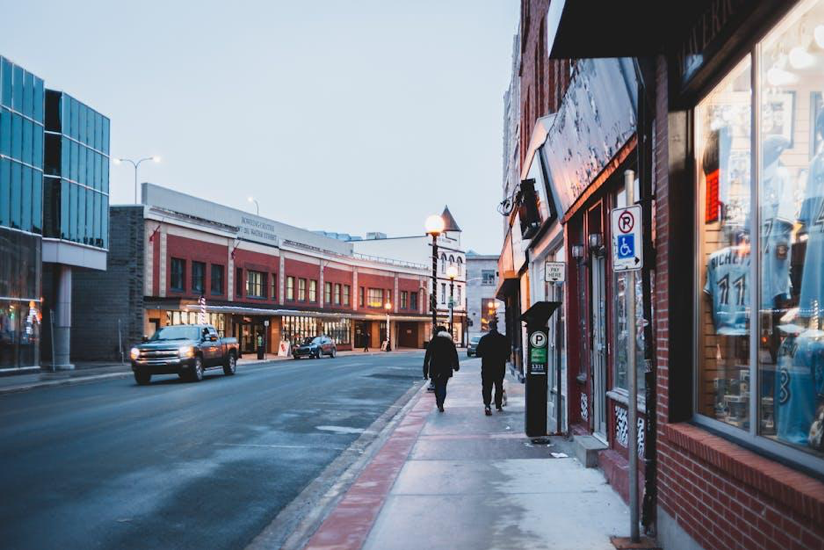
In Canada, where Cheap Cannabis and other licensed dispensaries have operated since 2018, communities have had years to observe the actual impact. In the United States, New York’s rollout provides a closer-to-home example of how legalization reshapes local economies and daily life.
What Economic Impact Has Legalization Produced Locally?
Tax revenue is the most measurable benefit. Cannabis sales generate sales tax, excise tax, and licensing fees that flow directly into local government budgets.
In New York State, the Office of Cannabis Management distributes a portion of cannabis tax revenue to community reinvestment programs. According to the New York State Office of Cannabis Management, revenue allocation targets drug education, community development, and support for communities disproportionately affected by previous marijuana enforcement.
Job creation is the second major economic effect. Each dispensary employs 10 to 25 people depending on size, from budtenders and security staff to managers and compliance officers. Cultivation facilities, testing laboratories, and distribution companies add additional employment across the supply chain. For small towns and suburban communities, these jobs represent new economic activity in retail spaces that might otherwise sit vacant.
How Have Local Zoning Decisions Shaped the Rollout?
Municipal governments hold significant power over where cannabis businesses operate. Zoning determines whether dispensaries appear on Main Street, in industrial parks, or not at all.
- Some municipalities opted into cannabis retail early, attracting first-mover businesses and capturing tax revenue before neighboring towns opened their markets.
- Others exercised their right to opt out entirely, prohibiting cannabis retail within their borders. Residents in opt-out communities must travel to neighboring jurisdictions to purchase legally.
- Buffer zone requirements (typically 500 to 1,000 feet from schools, churches, and parks) restrict the available locations within opt-in communities.
- Density limits cap the number of dispensaries per municipality or per capita to prevent clustering.
- Hours of operation restrictions mirror those applied to alcohol retailers in many jurisdictions.
- Community input processes, including public hearings and town board votes, give residents a direct voice in whether and how cannabis retail enters their neighborhood.
The result is a patchwork of access that varies dramatically from one town to the next, even within the same county.
Has Legalization Affected Public Safety?
This question generates the most debate and the most data. The evidence from Canada and early-legalizing U.S. states provides a clearer picture than the predictions made before legalization.
Traffic safety remains a legitimate concern. According to the Insurance Institute for Highway Safety, states that legalized cannabis saw modest increases in crash rates in the years immediately following legalization, though researchers caution that improved detection methods may account for part of the statistical increase.
Property crime and violent crime rates have not shown consistent increases tied to legalization in most jurisdictions. Canadian data from the first five years of legalization showed no meaningful changes in overall crime rates. Youth consumption rates in Canada also remained stable, countering pre-legalization predictions of significant increases.
Local police departments in legal markets report spending less time on minor cannabis enforcement, freeing resources for other priorities. This reallocation is particularly meaningful for smaller departments with limited staffing.
What Do Communities Actually Think About Having Dispensaries Nearby?
Public opinion varies by demographics, politics, and proximity. Here is what the data shows.
- Support increases with exposure: Communities with operating dispensaries tend to show higher approval rates over time than those debating the question hypothetically.
- Property value fears have not materialized: Multiple studies, including research published by the Federal Reserve Bank of Philadelphia, found that dispensary openings did not decrease nearby property values and in some cases increased them.
- Nuisance complaints are rare: Well-run dispensaries generate fewer noise, traffic, and odor complaints than many residents anticipated. Modern ventilation systems and discreet storefront designs address the most common concerns.
- Generational divide: Younger residents tend to support cannabis retail at higher rates. Older residents show more concern but often soften their positions after observing well-managed operations in their community.
- Business district effects: Some downtown merchants report increased foot traffic in areas near dispensaries, mirroring the “anchor tenant” effect seen with other specialty retailers.

The pattern across multiple jurisdictions suggests that execution matters more than the policy itself. Well-regulated, professionally operated dispensaries integrate into communities with minimal disruption.
What Lessons Can Communities Draw From Early Adopters?
Towns and counties still debating cannabis policy can learn from the jurisdictions that moved first. The most successful implementations share a few characteristics: clear zoning rules established before licensing opens, transparent tax revenue tracking with published reports on how funds are spent, and ongoing community engagement rather than a one-time vote.
The least successful implementations are characterized by either over-regulation that prevents legal businesses from competing with the illicit market, or under-regulation that allows too many dispensaries to cluster in small areas. Balance is the common thread in communities where legalization has been widely accepted.
Local Impact Summary
- Cannabis tax revenue funds education, community development, and public safety programs.
- Each dispensary creates 10 to 25 local jobs across retail, compliance, and management roles.
- Municipal zoning decisions create a patchwork of access that varies from town to town.
- Crime data from Canada and legal U.S. states shows no consistent increase linked to legalization.
- Property values near dispensaries have remained stable or increased in most studied markets.
- Community acceptance grows over time as residents observe well-managed operations firsthand.
The Neighborhood Effect
Cannabis legalization is ultimately a local story. The statewide law creates the framework, but the town board, the zoning commission, and the neighbors decide how it plays out on the ground. The communities that approach legalization with clear rules and open dialogue tend to benefit the most.
FAQ
Do towns have to allow cannabis dispensaries?
No. Most states allow municipalities to opt out of cannabis retail. Opting out means no dispensaries can operate within that town’s borders, though residents can purchase in neighboring jurisdictions.
Does cannabis legalization increase crime?
Data from Canada and legal U.S. states does not show consistent increases in violent or property crime. Some jurisdictions report modest traffic safety concerns, though detection improvements complicate the comparison.
How much tax revenue do cannabis sales generate locally?
Revenue varies by population and market maturity. New York allocates portions of cannabis tax to community reinvestment, drug education, and support for communities affected by past enforcement.
Do dispensaries lower nearby property values?
Research consistently shows that dispensaries do not decrease neighboring property values. Some studies found modest increases in areas near well-operated dispensaries, similar to effects seen with other specialty retail openings.

How Has Cannabis Legalization Affected Local Communities in 2026? added by rctadmin on
View all posts by rctadmin →
You must be logged in to post a comment Login