
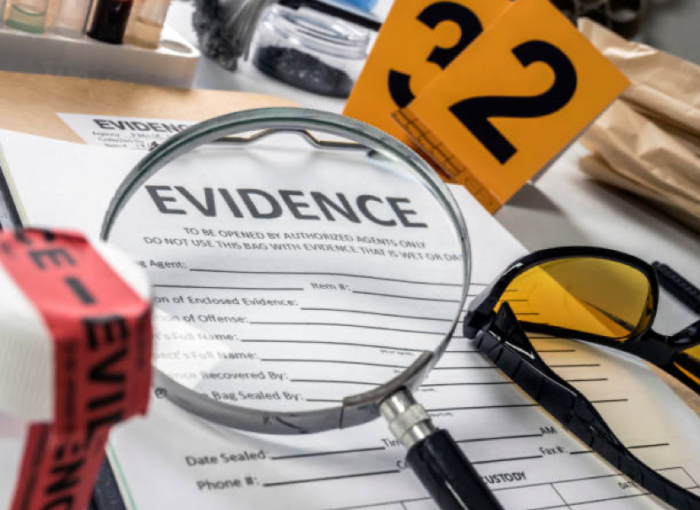
The value of a personal injury case depends largely on the strength and quality of the evidence presented. Evidence impacts the value of your injury case by establishing fault, proving the extent of your injuries, and supporting the compensation you seek—strong, well-documented evidence can increase settlement value, while weak or missing proof can reduce or even eliminate it.
Many injury victims underestimate how much documentation matters until it’s too late. From medical records to witness statements, each piece plays a role in helping insurers and courts decide the value of your claim. The more organized and credible your evidence is, the stronger your position becomes.
What Types of Evidence Are Most Important?
Different types of evidence work together to support your injury claim. Each one provides a unique perspective on what happened and how it affected you.
Some of the most important forms include:
- Medical records and treatment history
- Accident reports
- Photos and videos of the scene
- Witness statements
- Proof of lost income
When combined, these pieces create a clearer picture of both liability and damages. Missing or weak evidence can create doubt and reduce the overall value of your case.
How Medical Evidence Strengthens Your Case
Medical records are often the backbone of any injury claim. They provide official documentation of your injuries, treatment, and recovery process.
Detailed records help prove that your injuries were directly caused by the accident. They also show how serious your condition is and whether long-term care is needed.
According to the Centers for Disease Control and Prevention, injury-related medical data plays a key role in understanding both short-term and long-term health impacts. This type of documentation makes it harder for insurers to dispute your claim.
Why Timing Matters When Collecting Evidence
Gathering evidence as soon as possible can significantly affect your case outcome. Delays often lead to lost details, faded memories, or missing records.
For example, photos taken immediately after an accident are usually more accurate than those taken days later. Witnesses are also more reliable when their memories are still fresh.
In addition, early documentation helps establish a clear timeline. This makes it easier to connect the accident directly to your injuries.
The Role of Expert Testimony
In some cases, expert opinions can strengthen your claim even further. Professionals can explain complex details that may not be obvious to a judge or insurance adjuster.
Experts may include:
- Medical professionals
- Accident reconstruction specialists
- Financial experts
Their insights can help clarify how the accident occurred and estimate future costs. This can increase the overall value of your case when used effectively.
Guidance from institutions such as the Legal Information Institute highlights that expert testimony is often used to support claims involving complex injuries or disputed liability.
Strong Evidence vs Weak Evidence
The quality of your evidence can make a major difference in the outcome of your claim. Strong evidence builds confidence, while weak evidence raises doubts.
Strong evidence:
- Is clear, detailed, and consistent
- Comes from reliable sources
- Directly supports your claim
Weak evidence:
- Is incomplete or inconsistent
- Lacks proper documentation
- Can be easily challenged
As a result, cases supported by strong evidence are more likely to receive fair compensation.
How Evidence Affects Settlement Value
Insurance companies rely heavily on evidence when determining settlement amounts. The stronger your proof, the harder it is for them to offer a low payout.
Well-documented cases often lead to:
- Higher settlement offers
- Faster claim resolution
- Less dispute over liability
On the other hand, weak evidence may result in delays or reduced compensation. In some cases, claims may even be denied due to a lack of proof.
Steps to Strengthen Your Injury Case
Taking the right steps early on can greatly improve your chances of success.
Steps to Strengthen Your Case
- Seek medical attention immediately
This creates an official record of your injuries. - Document everything
Take photos, keep receipts, and save all records. - Report the incident
Ensure there is an official accident report. - Collect witness information
Get names and contact details of anyone who saw the event. - Stay consistent in your statements.
Avoid giving conflicting information.
These actions help build a strong foundation for your claim.
Key Takeaways
- Evidence plays a central role in determining the value of an injury case.
- Medical records are among the most important forms of evidence.
- Acting quickly helps preserve accurate and reliable evidence.
- Expert testimony can strengthen complex claims.
- Strong evidence increases settlement value and speeds up the process.
- Weak or missing evidence can reduce compensation or lead to denial.

How Evidence Impacts the Value of Your Injury Case added by rctadmin on
View all posts by rctadmin →
You must be logged in to post a comment Login