
You book a trip to get away, and somehow end up doing the same things you were trying to escape. You wake up to hallway noise, wait for elevators, and spend more time adjusting to the space than actually enjoying where you are. It does not feel wrong exactly, but it does not feel like much of a break either.
That is where places like the Smoky Mountains tend to change expectations a bit. The setting already does most of the work, with quiet mornings, long views, and a slower pace that does not need to be forced. But where you stay shapes how much of that you actually experience. Too much crowd can dull it down, while a more private, settled space lets it come through without effort. People do not always plan for that part, though it tends to decide how the whole trip feels.
The Shift Away from Standard Travel
There has been a quiet shift in how people travel, especially over the past few years. It is less about packing in activities and more about how a place feels when you are not doing anything specific. Work has changed, schedules are less predictable, and people carry more mental clutter than they used to. So, when they travel, they are not just looking for things to do. They are looking for space that feels different from everyday life. Cabin stays are gaining attention. They do not follow the conventional model. They are slower by design. You settle in instead of passing through.
Choosing the Right Stay Matters More Than You Think
When people plan trips to mountain regions, they often focus on the obvious parts first. Trails, views, local attractions, maybe a few restaurants they have heard about. Where they stay becomes a secondary decision, something to finalize once everything else is set. But when you’re visiting the Smoky Mountains lodging should be your first concern.
A mountain setting changes how time is spent. Mornings are quieter, evenings last longer, and there is more time in between planned activities. If the space you return to feels cramped or temporary, it breaks that rhythm. But if it feels settled, with room to move and sit and pause, then the entire pace of the trip shifts without much effort.
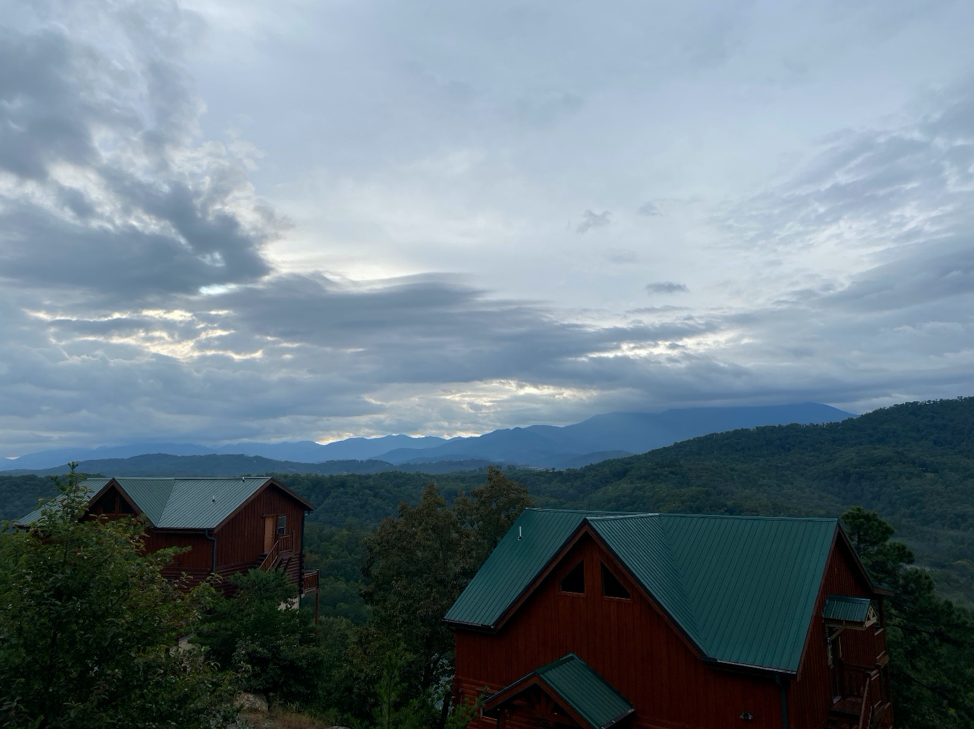
That is why many travelers end up paying closer attention to options like Eagles Ridge Resort when planning their trips. Tucked in a quiet, wooded stretch, these cabins feel secluded without being inconvenient. You are close enough to reach the Parkway in Pigeon Forge in minutes, but far enough to avoid the noise. Amenities like a fireplace, a fully-equipped kitchen, and a hot tub make the stay even more enjoyable and comfortable. It is not just about having a place to sleep. It becomes part of the experience itself, influencing how relaxed or rushed the days feel.
Space Changes Behavior
One of the more noticeable differences with cabin stays is how people behave once they arrive. In conventional accommodations, time is often spent either inside a single room or outside in shared spaces. There is not much in between. That creates a certain pattern. You either go out or you stay in, and both options can feel limited after a while.
Cabins introduce something else. There is space to exist without needing a plan. You can sit outside for a while, move inside when it gets cooler, cook something simple, or just do nothing for a bit without feeling like you are wasting time. It sounds minor, but it changes how people experience their trip.
This kind of space also affects group dynamics. When traveling with family or friends, small tensions tend to show up in tight environments. People need room, even if they do not say it directly. A cabin gives that room without making it feel like people are separating from each other. It is a balance that is hard to get right in more traditional setups.
The Quiet Value of Privacy
Privacy is one of those things that people do not always prioritize until they experience the lack of it. In busy accommodations, noise carries, schedules overlap, and there is always some level of background activity. It becomes part of the experience, even if it is not something you chose.
In a cabin, that layer is mostly removed. What you hear is usually what is around you, not what is happening in the next room or down the hall. This makes a difference, especially over a few days. Sleep improves. Mornings feel less rushed. Even simple things like having coffee or reading become more enjoyable.
There is also a sense of control that comes with privacy. You set the pace, not the building or the people around you. That control is subtle, but it contributes to the feeling that you are actually away from your usual environment, not just in a different version of it.
Work, Travel, and the Blurred Line
It is harder now to fully disconnect from work, even on trips. Emails still come in, messages still need quick replies, and there is often an expectation that you are at least somewhat available. This has changed what people need from a place they stay.
A standard accommodation does not always support this well. There is limited space to work comfortably, and the environment is not built for longer stretches of focus. A cabin, though, often provides a better setup without trying too hard. A table, a quiet corner, maybe a view that makes the work feel less heavy. It is not perfect, but it works. This blend of work and rest has become more common, whether people like it or not. So, the places that can support both without making either feel forced are becoming more valuable.
There is a reason cabin stays feel more relevant at the moment. Life has become more crowded in ways that are not always visible. Travel is one of the few chances to step out of that pattern, but only if the environment supports it. Cabins do that in a way that does not require much adjustment. They are simple, but not basic. They offer space, but not isolation. And they allow for a kind of quiet that is harder to find in more structured settings.

Why Mountain Cabin Stays Are the Ultimate Travel Experience Right Now added by rctadmin on
View all posts by rctadmin →
You must be logged in to post a comment Login