
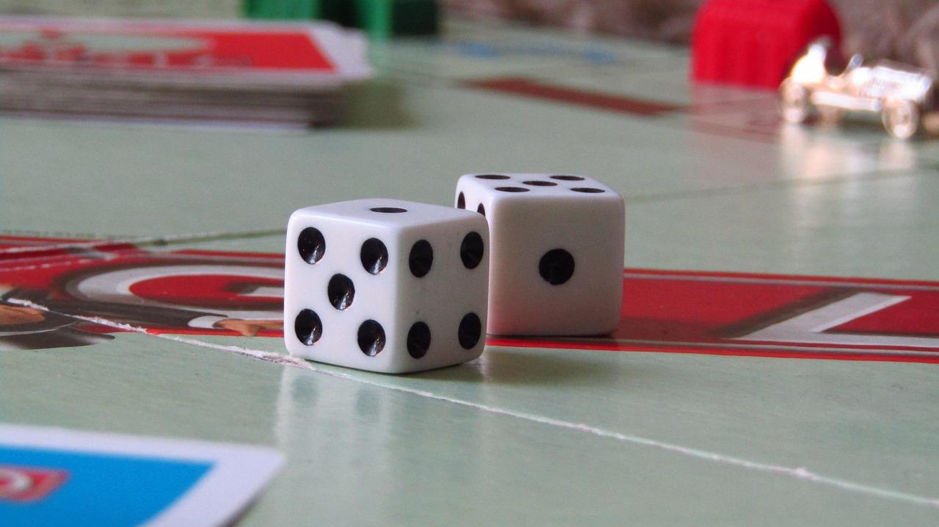
There’s something truly fantastic about a classic game night. What more could you want? A group of good friends, tasty snacks, and your favorite card or board games can turn an ordinary event into a night of unstoppable fun. Game nights can be so much fun that you just want to do that every time you gather your friends together.
The problem? The formula can start to feel predictable if you’re hosting often. That’s where adding a token system could be a solid idea. Whether your friend group is laid-back or competitive, this small mechanic can add playful challenges, rewards, and shared moments that turn your game night upside down.
What Do Token Systems Bring to the Table?
A token system is a way to build mini-rewards into the night without changing the games themselves. You give out tokens (anything from beads to bottle caps) for completing actions, showing creativity, or winning a round. People can collect them and exchange them for perks, dares, or small “trophies” that mean something within your group. It’s flexible and easy to set up, which is part of its charm. More importantly, it gives people reasons to participate more actively, even in games where they might normally take a back seat.
Why Token Systems Work So Well
Although it can change the way you play, this idea isn’t new. Token based play shows up in plenty of other spaces, particularly online. For example, sweepstakes casinos reward players with Gold Coins and Sweeps Coins for things like logging in daily or completing simple tasks. These systems are designed to keep engagement high and make play feel rewarding beyond just winning or losing. For your game night, the goal is the same: Keep people invested, laughing, and coming back.
Tokens Can Be Simple and Personal
You don’t need to buy anything new to create your tokens. You can use coins, colored paper, buttons, or even poker chips if you have them on hand. Some people like to take it a step further with custom tokens. Think drawings, group jokes, or anything that connects with your crew. The more personal and lightweight your tokens are, the more naturally they’ll become part of the night. Nobody’s worried about their value. They’re just a way to track progress, build momentum, and keep the table energized.
Hand Out Tokens for More Than Winning
Winning should be one way to earn tokens, but not the only way. Try rewarding things that bring something extra to the night. Maybe it’s a clever answer, a funny fail, or someone being a great teammate after losing a round. Tokens can also be tied to challenges like solving a puzzle the fastest or making a wild guess that turns out to be right. When the rewards go beyond just points or final scores, more people feel involved (and that’s what turns a good night into a great one).
Turn Tokens Into Rewards
Once tokens start flowing, people are going to want to spend them. Set up a small prize list or “shop” where tokens can be traded in for privileges. That could mean picking the next game, skipping clean-up duty, or assigning a one-round dare. Keep it lighthearted. Joke rewards like “wear the crown of champions” or “control the music for 15 minutes” go over well. The prizes don’t have to be serious to make the system work. They just have to be something players want, even if just for a laugh.
Add Missions to Keep Everyone Guessing
Missions are a great way to add unexpected moments to the night. Write down a few oddball challenges and hand them out at random. Someone might have to finish a game without using certain words, make a trade with another player, or act out something quietly during a turn. Complete the mission? Earn a few extra tokens. These keep everyone alert and add layers to even the most familiar games. It also lets quieter players get recognition in creative, non-competitive ways.
Track Tokens Over Time
If your group meets regularly, consider keeping a record of how many tokens people earn over time. Use a whiteboard, a shared spreadsheet, or just a notebook. After a few months, you can award a homemade trophy or title (like “Game Night Champ” or “Most Creative Player”). This long-term system adds something special to each session, giving regulars a reason to keep building their totals while giving new players a way to join in without pressure.
Bring the System Online When Needed
The world is changing drastically, so there’s never any guarantee where any of us may be in the future. What if a friend moves for work, or another is constantly out of town? Remote game nights are part of how many groups stay connected. A token system can still work in those setups. Use tools like Discord, Google Sheets, or Trello to hand out and track tokens. Create digital versions using simple graphics or emojis. Even something small like giving out RSVP bonuses or offering virtual spins for prizes keeps people interested.
Rotate the Host Role
One way to keep the system fresh is by switching up who runs it. Let a different person be the token “banker” or game night host each time. That person handles handing out tokens, keeping track of missions, and running the prize list. It takes the pressure off a single host and opens the door to new twists. Each new host adds their own voice to the night, making every gathering a little different.
What Not to Do
While token systems can make your game night more engaging, a few missteps can throw off the balance. The first thing to watch out for is making the system too complicated. If players have to stop and learn a long list of rules before they can participate, it drains the momentum. Keep it simple and intuitive.
You also want to avoid creating rewards that feel too competitive or that cause tension. The goal isn’t to crown a permanent winner, but to make the night more enjoyable for everyone. Try not to give all the power to whoever has the most tokens, or let a handful of people dominate the system week after week.
Conclusion
Adding tokens to your game night won’t replace your favorite games. It just gives them a new texture. Whether you’re tracking wins with pennies, giving out secret missions, or updating a digital leaderboard, the system adds a sense of continuity and excitement. Over time, these little extras help build stronger traditions, inside jokes, and shared memories. That’s also what keeps people coming back.

How Token Systems Can Help Keep Friend Game Night Fresh and Fun added by rctadmin on
View all posts by rctadmin →
You must be logged in to post a comment Login